 EN
EN

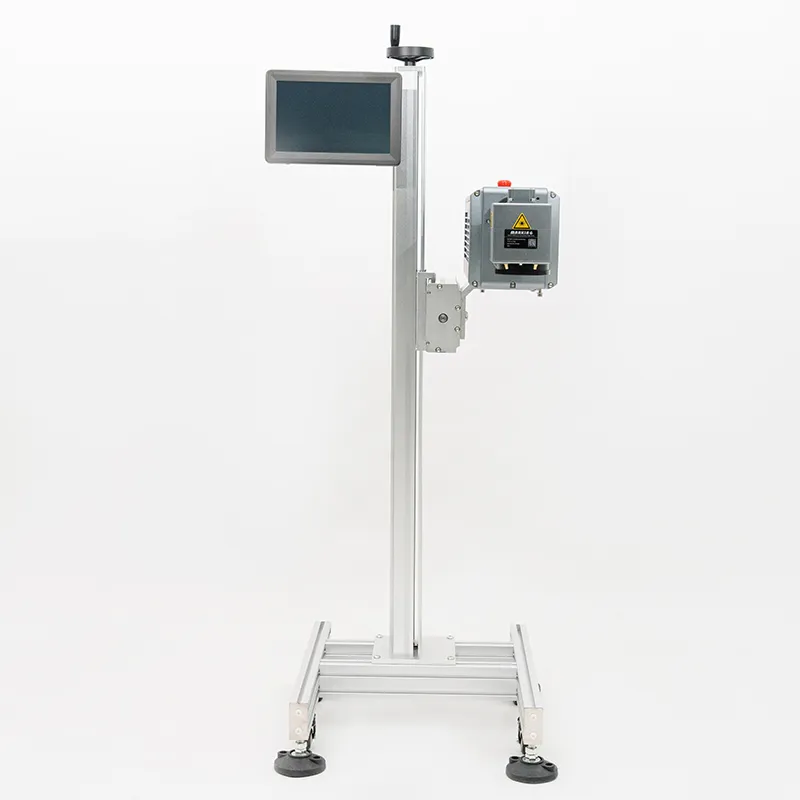
Maximizing Operational Velocity with Advanced CO2 Laser Systems
Industrial manufacturing floors and precision processing hubs rely heavily on thermal cutting and engraving tools to maintain high daily output volumes. During a technical evaluation at a high-speed fabrication facility last month, production supervisors faced severe throughput bottlenecks simply because operators ran their cutting parameters without tuning optical velocity settings. The resulting thermal distortion and sluggish motion paths slowed down the entire production line. When integrating a high-performance co2 laser into your manufacturing workflow, configuring the correct acceleration profiles and power scaling from the outset prevents costly operational slowdowns. Unlike traditional mechanical routers, optical thermal tools demand careful calibration regarding focal length, gas assist pressure, and beam delivery speeds to match diverse material densities across industrial production lines. Proper initial setup serves as the absolute foundation for smooth daily fabrication tasks and long-term device reliability. Furthermore, understanding the underlying thermal mechanics ensures that your co2 laser operates reliably through grueling multi-shift schedules without unexpected performance drops, maintaining steady operational velocity across all fabrication stations while deploying your co2 laser units effectively.
Fine-Tuning Focal Length and Beam Delivery Optics
Cutting and engraving precision directly dictates downstream assembly quality in busy manufacturing workshops. A well-calibrated co2 laser system allows technicians to adjust lens positioning, mirror alignment, and spot size to match specific material thicknesses and thermal absorption requirements. When working with organic substrates or coated metals, selecting optimal focal points prevents beam scattering while maintaining superior edge clarity. Furthermore, configuring proper purge gas assistance ensures that vaporized material clears the cutting zone instantly, preventing smoke accumulation and beam attenuation. According to advanced industrial processing guidelines, maintaining precise optical alignment reduces thermal heat-affected zones significantly. Calibrating these optical parameters minimizes surface scorching and eliminates the operational delays associated with reprocessing substandard parts in fast-paced staging areas. Deploying a finely tuned co2 laser setup guarantees pristine edge quality across diverse sheet materials without exception, ensuring that every manufactured component produced by a co2 laser meets strict dimensional tolerances.
Calibrating Vector Motion Speeds and Acceleration Profiles
Physical motion control plays a decisive role in achieving rapid throughput on complex vector cutting paths. The internal digital controller of an industrial co2 laser relies on smooth servo motor acceleration and precise path planning to calculate head movement accurately across the workbed. If operators set vector velocities too high without adequate corner-rounding acceleration, the mechanical gantry suffers from vibration, resulting in jagged cut edges and dimensional inaccuracies. According to leading industrial manufacturing ergonomics and motion studies, establishing balanced feed rate thresholds yields clean, professional cuts every single time. Proper motion tuning compensates for mechanical inertia during rapid directional shifts, ensuring uniform energy transfer across large batches of heavy panels. Training operators on correct velocity control transforms complex vector cutting into a repeatable science, drastically reducing material waste and production errors on the factory floor while keeping every co2 laser operating at peak operational velocity throughout long shifts with your co2 laser equipment.
Managing Laser Power Density and Material Feed Rates
Power output regulation is a vital factor when configuring thermal processing devices for rapid manufacturing workflows. Standard materials like acrylic and wood respond predictably to moderate energy inputs, but dense engineering polymers often demand carefully modulated power-to-speed ratios to prevent edge melting or charring. When adjusting operational parameters on your co2 laser, running preliminary test matrices clears uncertainty and ensures consistent beam interaction across the entire work envelope. Operators should also monitor beam stability regularly through the control interface to prevent power degradation, which can compromise cut depth over time. Utilizing genuine optical components and maintaining clean lenses preserves system longevity and sustains peak output performance throughout demanding shifts without unexpected interruptions, keeping overall factory operations running smoothly and maintaining strict compliance with industry standards using your co2 laser technology.
Integrating Comprehensive Maintenance and Operator Training
Long-term success in industrial cutting and engraving relies heavily on ongoing operator education and routine hardware upkeep. Establishing periodic mirror calibration checks and lens cleaning schedules prevents minor residue buildup from impacting beam quality during high-volume production cycles. When manufacturing teams embrace structured maintenance habits, equipment downtime decreases significantly. Proactive care ensures that every co2 laser delivers consistent, professional results across diverse operational environments without unexpected interruptions.
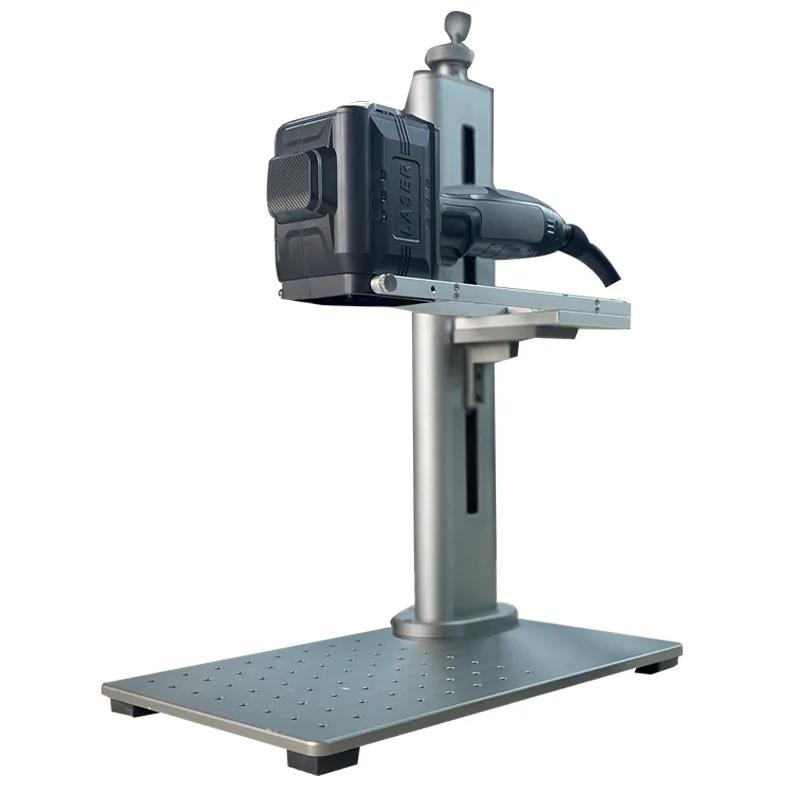
Establishing Standard Operating Procedures for Shop Floor Deployment
Successful integration of advanced thermal processing technology across large manufacturing plants relies heavily on clear, repeatable operational guidelines. Shift managers should document optimal device parameters, including preferred vector speeds, frequency settings, and daily cleaning routines, in an accessible workspace manual. When production teams follow uniform setup protocols for every co2 laser in circulation, equipment lifespan increases significantly while maintenance overhead drops. Behind every durable industrial solution lies robust craftsmanship; partnering with a premier manufacturing and supply chain leader like WEITAI ensures your operations are backed by world-class production capabilities, rigorous quality control, and reliable global distribution networks designed to keep your manufacturing lines moving forward without interruption.
Table of Contents
- Maximizing Operational Velocity with Advanced CO2 Laser Systems
- Fine-Tuning Focal Length and Beam Delivery Optics
- Calibrating Vector Motion Speeds and Acceleration Profiles
- Managing Laser Power Density and Material Feed Rates
- Integrating Comprehensive Maintenance and Operator Training
- Establishing Standard Operating Procedures for Shop Floor Deployment