In the dynamic landscape of modern manufacturing, packaging, and logistics, the seamless integration of specialized equipment is paramount for achieving efficiency, precision, and scalability. This article provides a detailed overview of five critical components that form the backbone of many automated production lines: Conveyors, Paginators, Laser Machine Mounting Frames, Coding/Laser Machine Mobile Stands, and Coding/Laser Machine Micro-Adjustment Stands. Each plays a unique and vital role in material handling, product organization, and marking processes.
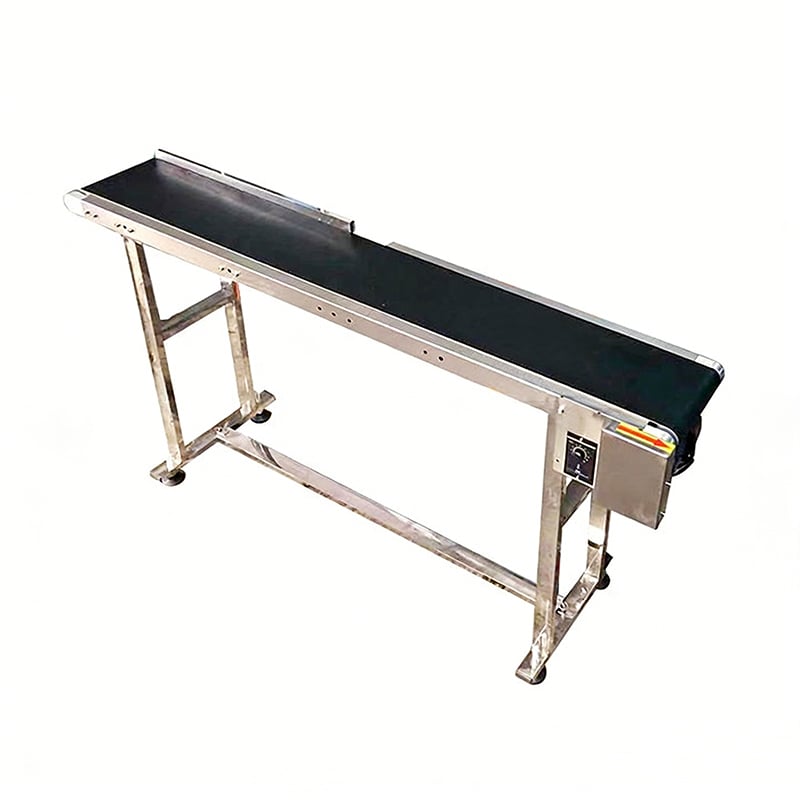
1. Conveyors: The Arteries of Automation
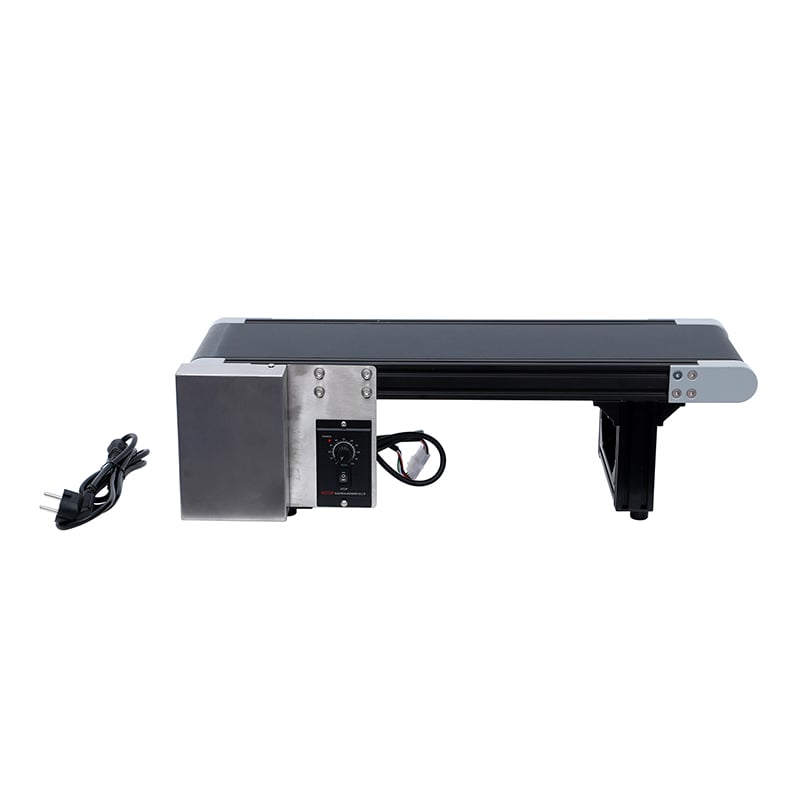
Conveyor systems are the fundamental workhorses of industrial automation, designed for the continuous or intermittent movement of materials, parts, or products from one point to another. They eliminate manual handling, reduce labor costs, minimize product damage, and significantly increase throughput.
Core Function & Types: The primary function is transportation. Conveyors come in myriad designs tailored to specific product characteristics and process requirements.
Belt Conveyors: The most common type, utilizing a continuous moving belt (rubber, PVC, fabric, metal) over a bed of rollers or a slider. Ideal for transporting a wide range of items, from boxes and bags to bulk materials, on horizontal or inclined paths.
Roller Conveyors: Employ a series of rollers mounted on a frame. They can be gravity-powered (slight decline) or motor-driven (powered rollers). Perfect for handling rigid items with flat bottoms like pallets, crates, and cartons.
Chain Conveyors: Use chains to pull or carry products, often utilized for heavy loads, pallets, or in assembly lines where precise indexing is needed.
Modular Plastic Belt Conveyors: Feature interlocking plastic modules, offering durability, easy cleaning, and the ability to navigate curves, making them excellent for food processing and packaging.
Overhead Conveyors: Systems where carriers are suspended from an elevated track, optimizing floor space in painting, assembly, or storage applications.
Integration & Importance: Conveyors are rarely standalone. They link disparate workstations—loading, assembly, inspection, marking, packaging—into a cohesive, flowing line. Their speed, alignment, and timing are often synchronized with other machines like paginators and laser coders, making them the critical "delivery system" upon which subsequent processes depend.
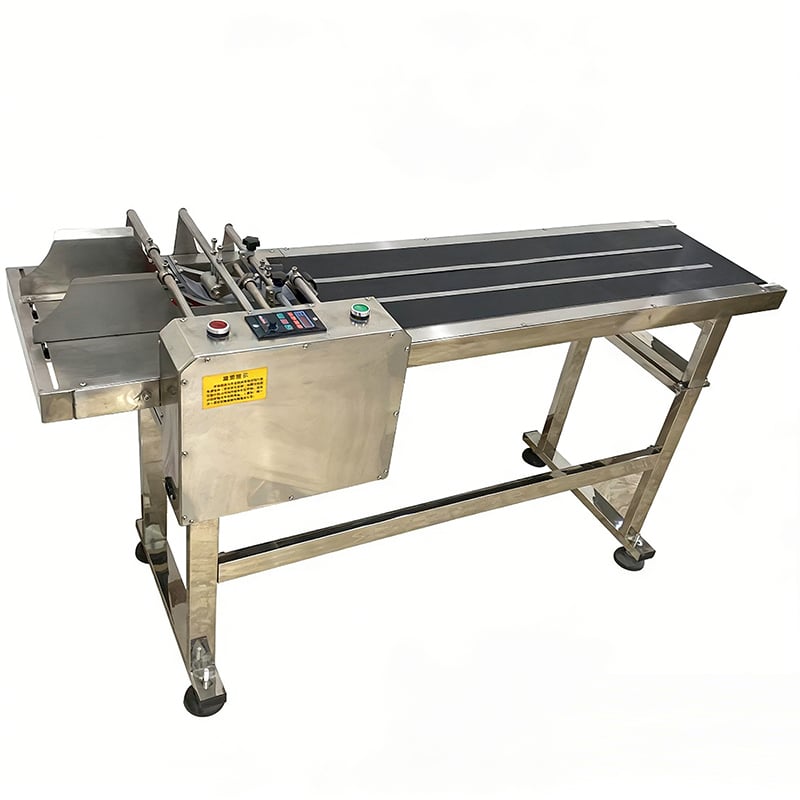
2. Paginators/Dividers/Singulators: Creating Order from Flow
Following transportation, the next challenge is often organizing a continuous stream of products for individual processing. This is the domain of paginators, also known as dividers, singulators, or spacing conveyors.
Core Function: A paginator's primary role is to receive a mass of products (often closely spaced or touching) and systematically separate them into a single file with precise, consistent gaps (pitches) between each item. This transformation is essential for any downstream operation that requires individual product handling, such as labeling, coding, or robotic picking.
Operating Principles: Paginators use various clever mechanisms to achieve separation:
Belt-Based Timing: Employing independently controlled belts or zones that accelerate products away from the trailing item.
Rotary Wheels or Stars: Using timed rotating elements to physically lift or push products forward at a calculated interval.
Vision-Guided Systems: Advanced paginators use cameras to detect product position and control actuators or gates to achieve precise spacing based on real-time feedback.
Critical Role: By providing controlled, predictable product presentation, paginators ensure that machines like laser coders or inkjet printers encounter each product in the exact correct position and timing window, which is fundamental for achieving 100% accurate marking.
3. Laser Machine Mounting Frames: The Foundation for Stability
For non-contact marking technologies like laser engravers or cutters, stability is non-negotiable. Vibration or movement translates directly into poor mark quality, blurring, or inaccuracy.
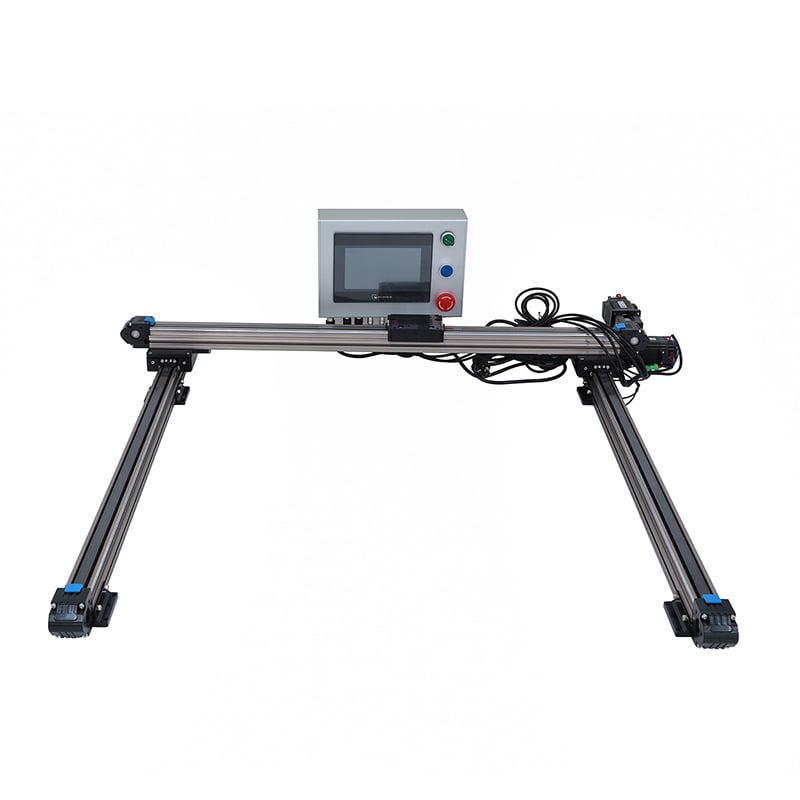
Core Function: A Laser Machine Mounting Frame is a rigid, dedicated structural framework designed to securely and permanently (or semi-permanently) host a laser marking or engraving head. Its purpose is to provide an absolutely stable platform, isolating the sensitive laser optics from the inherent vibrations of the factory floor and surrounding machinery.
Design & Features: These frames are typically constructed from high-strength aluminum profiles or welded steel. Key characteristics include:
Robust Construction: Heavy-duty materials and cross-bracing to resist torsion and bending.
Adjustable Mounting Plates: Allow for precise leveling and alignment of the laser head relative to the production line.
Integrated Cable Management: Channels or trays to organize power and data cables safely.
Safety Enclosures: Many frames incorporate panels or mounting points for safety guards and laser-light containment curtains to meet industrial safety standards.
Importance: This frame is the bedrock. It ensures the laser's focal point remains constant on the target area, guaranteeing crisp, repeatable marks throughout extended production runs. It is the preferred solution for fixed-position marking stations on a conveyor line.
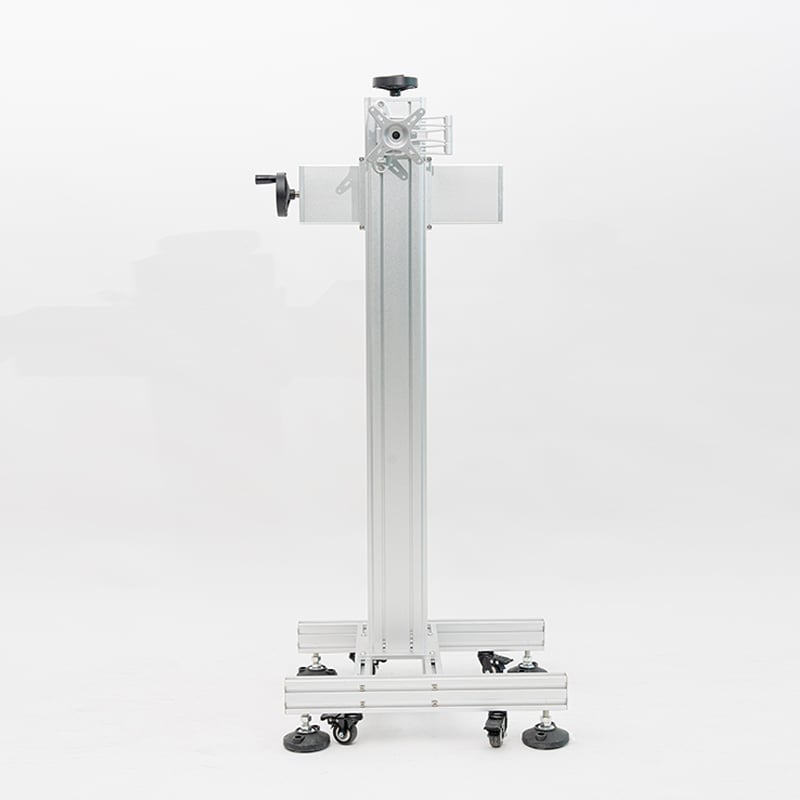
4. Coding/Laser Machine Mobile Stands: The Epitome of Flexibility
While fixed mounting is ideal for dedicated lines, modern facilities require adaptability. Coding and Laser Machine Mobile Stands provide a versatile solution for flexible or multi-line marking applications.
Core Function: This is a portable, wheeled cart or stand that houses a complete marking unit—either an inkjet printer (coding) or a laser marker. Its primary function is to enable easy, quick redeployment of the marking system to different production lines, work cells, or locations within a facility as needs change.
Design & Features: A well-designed mobile stand combines mobility with functionality:
Sturdy Base with Locking Casters: Heavy-duty wheels (often two locking) for easy movement and secure positioning.
Integrated Workstation: A stable platform for the marking device, often with height adjustment. It may include a small work surface for a laptop or controls.
Onboard Utilities: Accommodations for power distribution (sometimes with a cable reel), compressed air connections for inkjet printers, and possibly a fume extractor for laser marking.
Balance & Footprint: Designed to be stable when stationary, with a footprint that navigates factory aisles safely.
Importance: Mobile stands maximize capital investment by allowing a single, often expensive, marking machine to serve multiple lines. They are ideal for job shops, low-volume/high-mix production, pilot lines, or facilities undergoing frequent layout changes. They bring the technology to the product, rather than the reverse.
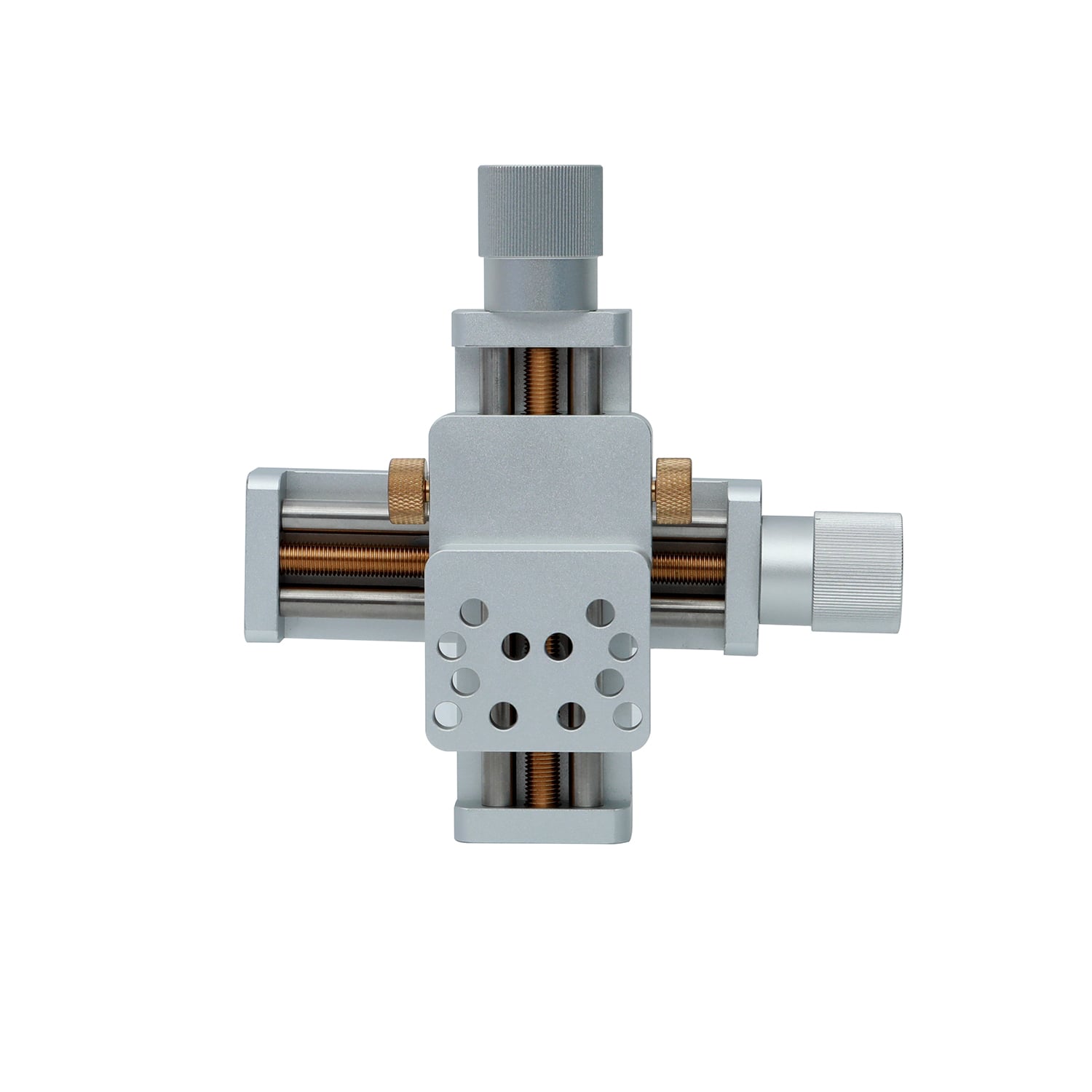
5. Coding/Laser Machine Micro-Adjustment Stands: The Pursuit of Perfection
Precision marking demands micron-level accuracy. Even with a stable frame or mobile stand, final fine-tuning of the marking head's position is often required. Micro-Adjustment Stands are the precision instruments that deliver this final level of control.
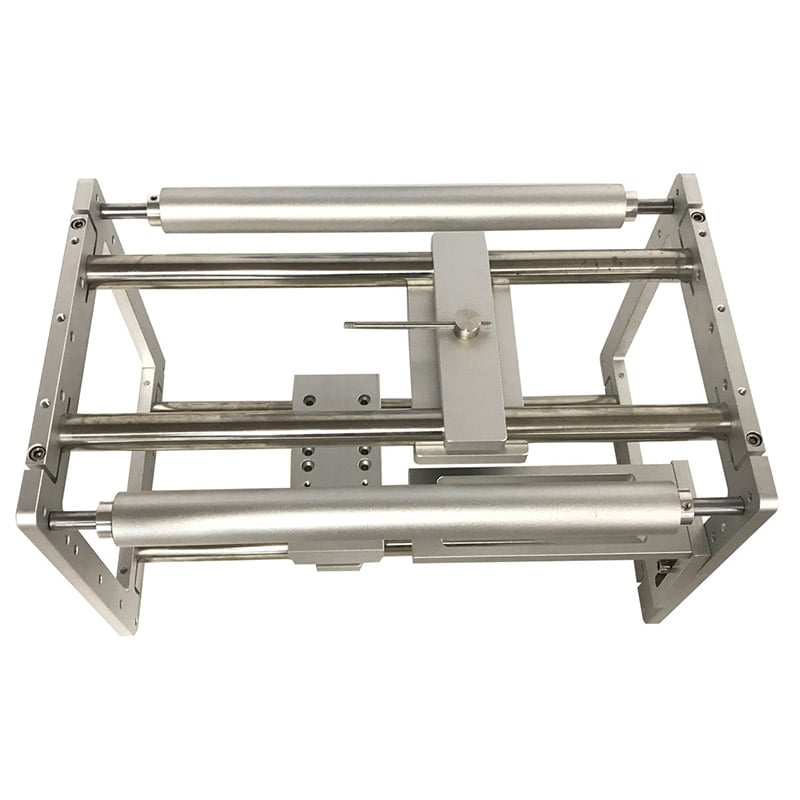
Core Function: These are highly specialized mounts, typically installed between the marking head (laser or printhead) and its primary support structure (frame or mobile stand). Their sole purpose is to allow for extremely fine, controlled adjustments in multiple axes to perfect the marking head's alignment relative to the product.
Design & Features: They are marvels of mechanical engineering, offering:
Multi-Axis Adjustment: Most provide at least three axes of adjustment: X (left-right), Y (in-out), and Z (height/focus). High-end versions may include rotational (pitch, yaw) adjustment.
Fine-Pitch Mechanisms: Adjustment is achieved via precision threaded screws, micrometer heads, or fine-thread knobs, allowing movements as small as 0.01mm.
Locking Mechanisms: Once the perfect position is achieved, robust locking screws (often with nylon tips to prevent slippage) secure the setting indefinitely against vibration.
Rigid yet Adjustable Construction: Made from high-grade aluminum or steel, they are stiff to hold position but designed for smooth, backlash-free adjustment.
Critical Role: In applications where mark placement tolerance is critical—such as on medical devices, electronics, or precise cosmetic markings—these stands are indispensable. They enable operators to "dial in" the exact position and focal point, compensating for any tiny variances in product positioning, conveyor height, or initial machine setup. They transform a "good enough" mark into a perfect one.
Synergistic Integration: The Complete System
The true power of these components is realized in their integration. A typical automated marking line might involve:
A Conveyor transporting bulk products.
A Pagination Machine singulating and spacing the products.
A Laser Machine Mounting Frame providing a vibration-free station.
A Laser Marker mounted on a Micro-Adjustment Stand attached to that frame, allowing for perfect beam alignment.
A Mobile Stand holding a backup inkjet printer, ready to be rolled to another line for a short run or during laser maintenance.
In conclusion, from the macro-level movement provided by conveyors to the microscopic precision enabled by micro-adjustment stands, each piece of equipment addresses a specific link in the chain of value-adding industrial processes. Understanding their individual functions and symbiotic relationships is key to designing, optimizing, and maintaining efficient, precise, and flexible production systems capable of meeting the rigorous demands of today's manufacturing world.


 EN
EN