By the Team at INKMINIC | May 2026
For years, the routine was predictable. If a client from Russia or the CIS region wanted to see our industrial inkjet printers in action, they had to pack their bags, fly thousands of miles to Guangzhou, and sit through a polished presentation in our showroom. We’d walk them through the specs, show them a demo unit running perfectly on a loop, and shake hands.
That model worked. But it always left one big question hanging in the air after they left: How is the machine actually behaving when nobody is watching?
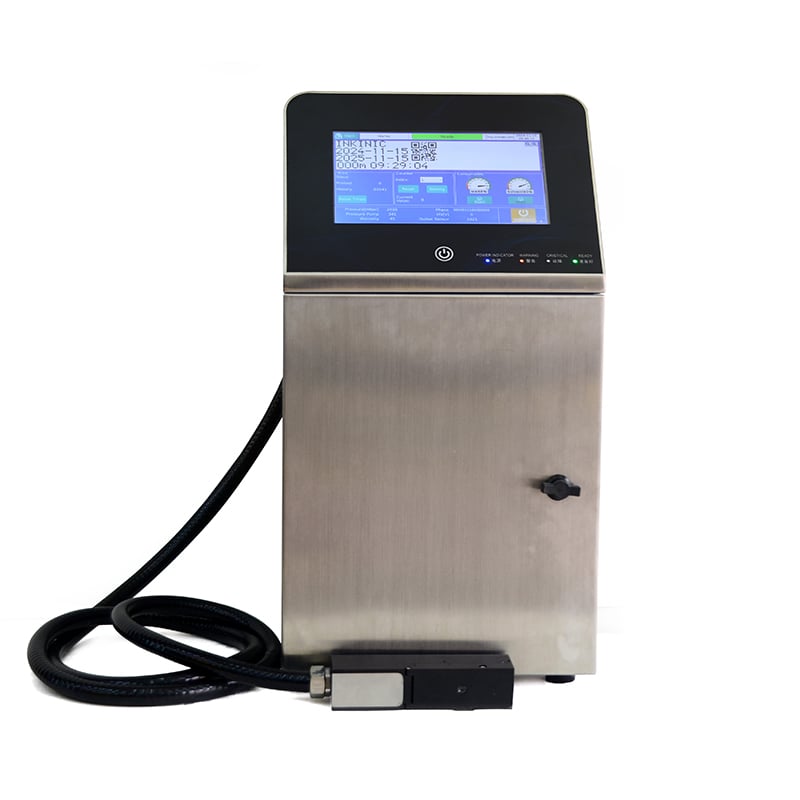
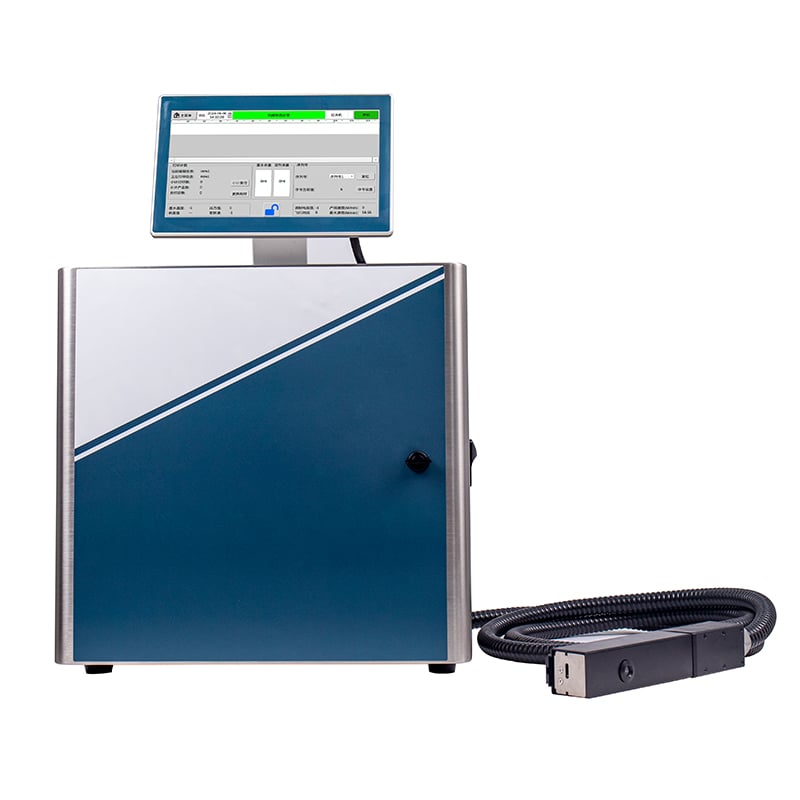
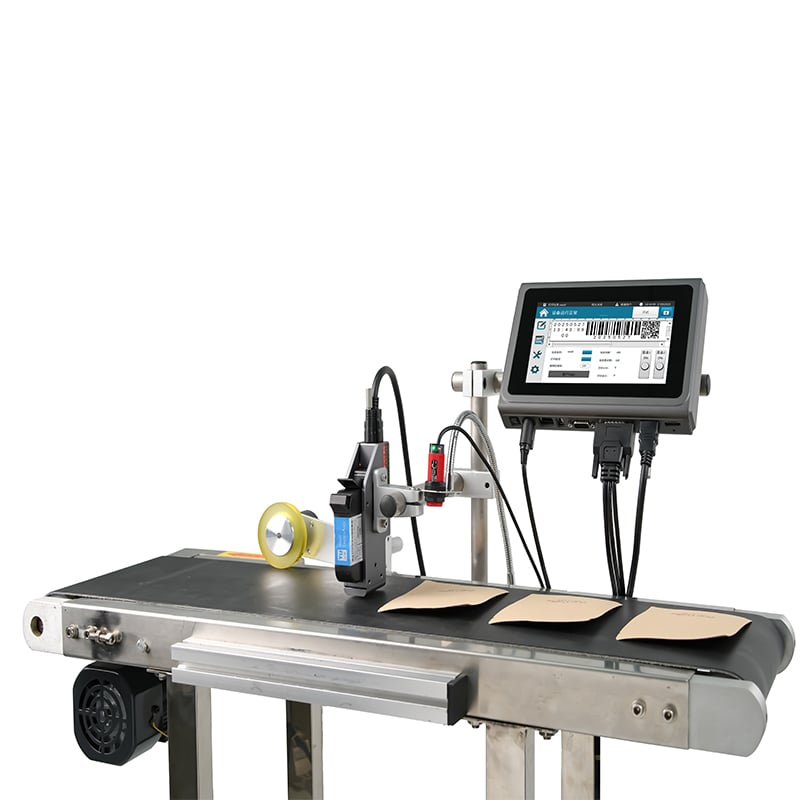
So, this May, we flipped the script. A team of four from our company packed our bags instead. We flew to Russia for a two-week road trip with one clear mission: stop talking about our equipment and start listening to the factories that run it. We wanted to see our continuous inkjet (CIJ) printers and laser coders sitting on real production lines, not in a climate-controlled booth. We wanted to hear the honest, unfiltered truth about our consumables from the operators who refill them every day. And frankly, we wanted to say thank you to the partners who have trusted a Chinese brand in a market that hasn’t always been easy to navigate.
Here’s what we learned, saw, and felt on the road.
Let’s be honest about the coding and marking market right now. Russia isn’t a “set it and forget it” territory. The industrial landscape has been shifting fast. Sanctions, supply chain rerouting, and a hard push toward domestic manufacturing have made Russian producers incredibly pragmatic. They don’t care about flashy brochures. They care about uptime. They care about whether a printer can handle a dusty flour bagging line in Stavropol or a wet dairy filling station in the Moscow oblast without throwing a fault code every three hours.
We knew that if we wanted to grow here, we had to prove our worth on the factory floor. According to market research, the demand for coding solutions in Russia—especially in food and beverage, where every single package legally requires a clear, legible expiration date—is steady . But the competition is fierce. European brands left a gap, and Chinese brands rushed in. The only way to stand out isn’t a cheaper price tag; it’s proof that our machines survive the reality of a Russian winter, a rushed shift change, and a line that runs 24/7.
Our first stop was a food packaging facility that runs a high-speed line for dairy products. If you know anything about dairy, you know the environment is brutal on electronics. Humidity, cold, and the constant rush to get product out before it spoils. The client had been running our CIJ printer for about eighteen months.
I stood next to the line operator, a guy who clearly had zero patience for sales talk. He didn’t smile for the first ten minutes. He just watched the print head. I asked him, through our translator, “What breaks first?”
He pointed to the ink system. Not because it failed, but because he wanted to show me how he does the daily maintenance. He said something that stuck with me: “Your machine is fine. It’s tough. But the manual’s Russian translation is terrible.”
That was the whole trip in a nutshell. The iron was working. The electronics were holding up. But the experience around the machine—the documentation, the training, the little things—had gaps we never would have seen from Guangzhou.
At a second facility, a cosmetics manufacturer, we watched a laser coder marking batch codes on glossy tubes. This client was newer. They had switched to us after a bad experience with a second-hand European unit that had no spare parts available. Their maintenance manager told us, “We chose you because you picked up the phone on a Sunday.” That’s the reality of the Russian market right now. Availability and responsiveness matter as much as the spec sheet.
We sell ink and solvent. It’s a big part of our business. But in the showroom, you can’t smell the solvent or feel the viscosity. You can’t see how a cheap alternative ink behaves after two weeks in a hot warehouse.
We asked every single client we visited: “Are you using our consumables, or are you mixing them?”
The answers were refreshingly blunt. One production manager admitted they tried a local third-party ink to save money last year. The result? Clogged nozzles and a three-day downtime that cost them far more than the ink savings. He said, “We’re back on your original fluids. It’s not worth the headache.”
That was the validation we needed. We aren’t the cheapest ink on the market. But hearing a factory manager say that our fluid stability is the reason his line didn’t stop—that’s better than any certificate we could frame on the wall. We also learned that our solvent consumption is a bit higher than they’d like on certain models. We noted that down. That’s a real engineering takeaway for our R&D team back in China.
We didn’t just go to pat ourselves on the back. We went to find the pain points.
The Spare Parts Anxiety: Every single client brought this up. “If a board fails, how long until a replacement is in Moscow?” The fear isn’t the price; it’s the wait. A production line stopped for two weeks because of a $200 part is a disaster. We realized that our local buffer stock in Russia needs to be deeper and smarter. We can’t just ship on demand; we need to predict demand.
The Language Barrier: This was a recurring theme. English manuals are fine for the engineers, but the operators on the night shift need clear, idiot-proof instructions in Russian. We thought we had this covered, but seeing a frustrated operator squint at a badly translated error message on the screen was humbling. We’re now working on a full re-translation of our user interface and maintenance guides, done by native technical writers, not just a generic translation agency.
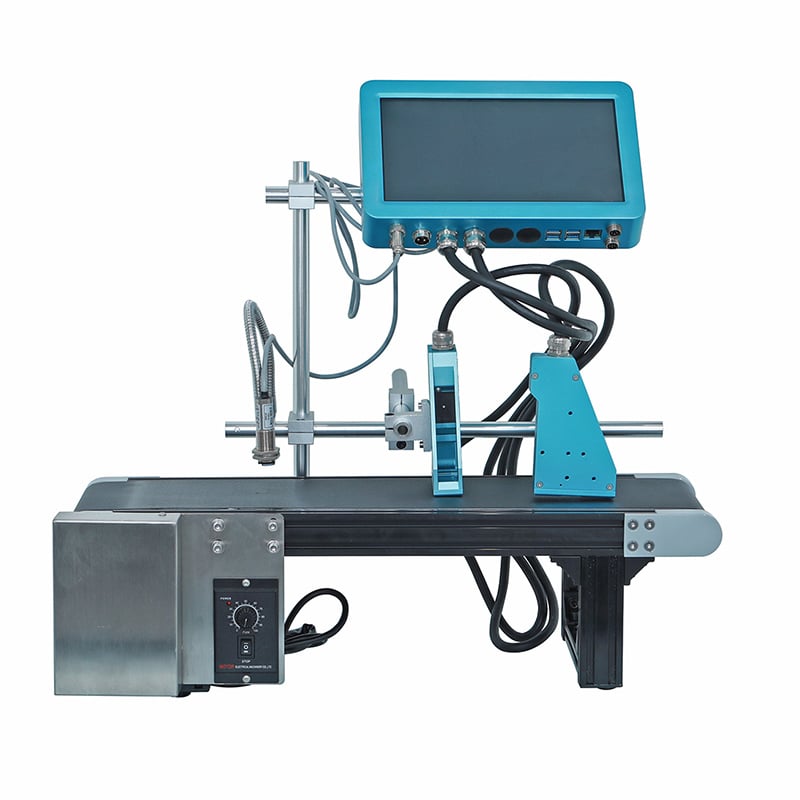
The Need for Speed (and Simple Integration): Several clients mentioned that their lines are getting faster. They are moving toward higher-speed packaging, especially in the beverage sector. They need our printers to keep up without losing print quality. One client asked us point-blank if our new models can handle the integration with their new automated palletizing system. We’re glad he asked. It means he’s planning to grow with us, not replace us.
You can’t do business in Russia without tea. And maybe a little something stronger.
We ended each visit with a meal or a coffee, and we meant it when we said thank you. Thank you for trusting a brand that isn’t European. Thank you for being patient when the shipping took a week longer than promised. Thank you for telling us the truth about the ink, the manuals, and the spare parts.
One of the most memorable moments was at a small, family-run packaging company. The owner, a woman who built the business from nothing in the 90s, told us, “You know, everyone used to want the German machines. But the German machines are gone, and you are here. You listen. That matters.”
That’s the whole point of this trip. We aren’t just selling a product; we are building a presence. And a presence requires showing up.
We flew back to Guangzhou with a notebook full of complaints, a phone full of photos of installations, and a much clearer picture of what it means to be a coding partner in Russia in 2026.
Here’s what we’re changing based on this trip:
Localized Support: We are expanding our technical support hours to align with Moscow time. No more waiting until 9 AM Beijing time to get an answer.
Documentation Overhaul: A full audit of our Russian-language materials. If the operator can’t read it, it doesn’t work.
Consumable Consistency: We are doubling down on our quality control for ink batches destined for the Russian market. We know the warehouse conditions can be extreme; the fluid needs to handle it.
More Visits: This won’t be a once-a-year thing. We are planning a return trip in the autumn. If you want us to visit your factory, just reach out. We’ll bring the tea.
To the clients we visited: thank you for opening your doors. To the ones we haven’t met yet: we’re coming. We’d rather see your line in person than show you a video of ours.
This is what industrial coding looks like when you take it off the showroom floor and put it on the line. It’s not always pretty, but it’s real.
 Hot News
2026-05-29
2026-02-13
2026-01-06
2026-01-05
2026-06-23
2026-06-22

Based In China
Serving The World
Room401, Building B, Xulong Industrial Park, Road Xinye No.76, Huangpu District, Guangzhou, Guangdong, China
Copyright © 2025 by Inkminic Logo Technology (Guangzhou) Co., Ltd. Privacy Policy
 EN