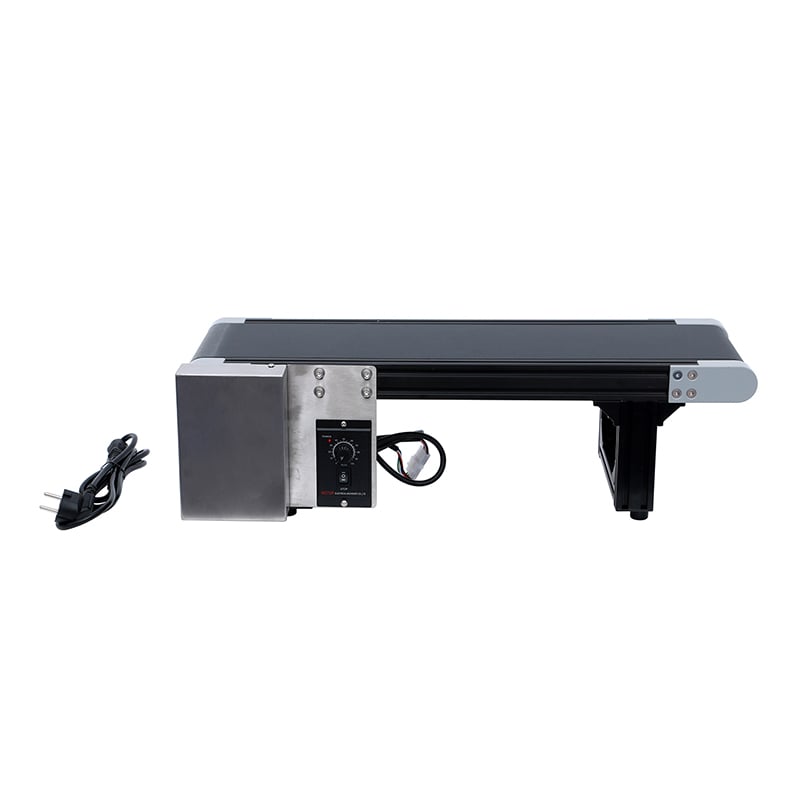
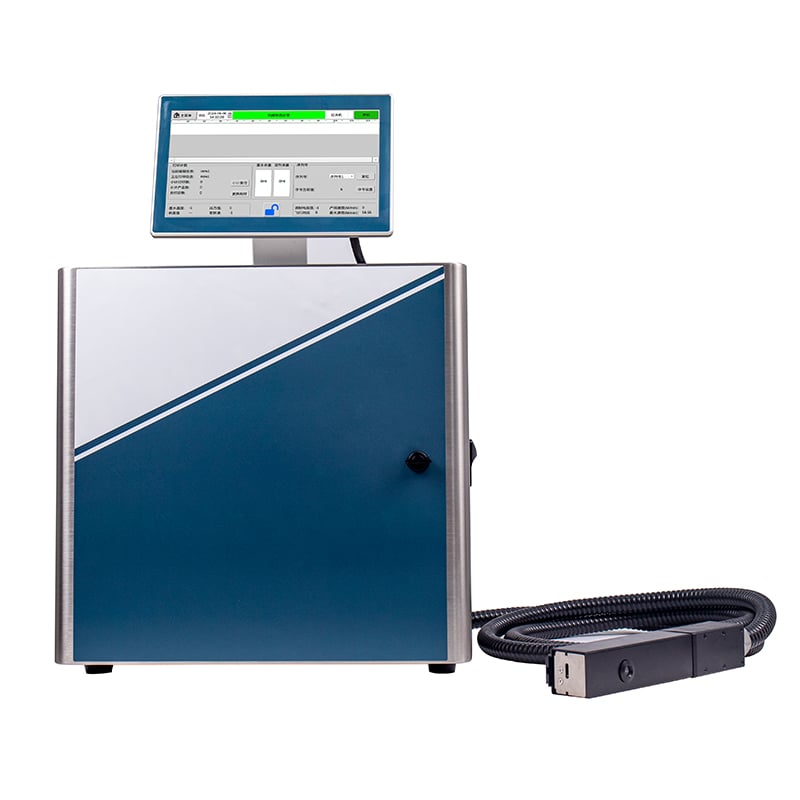
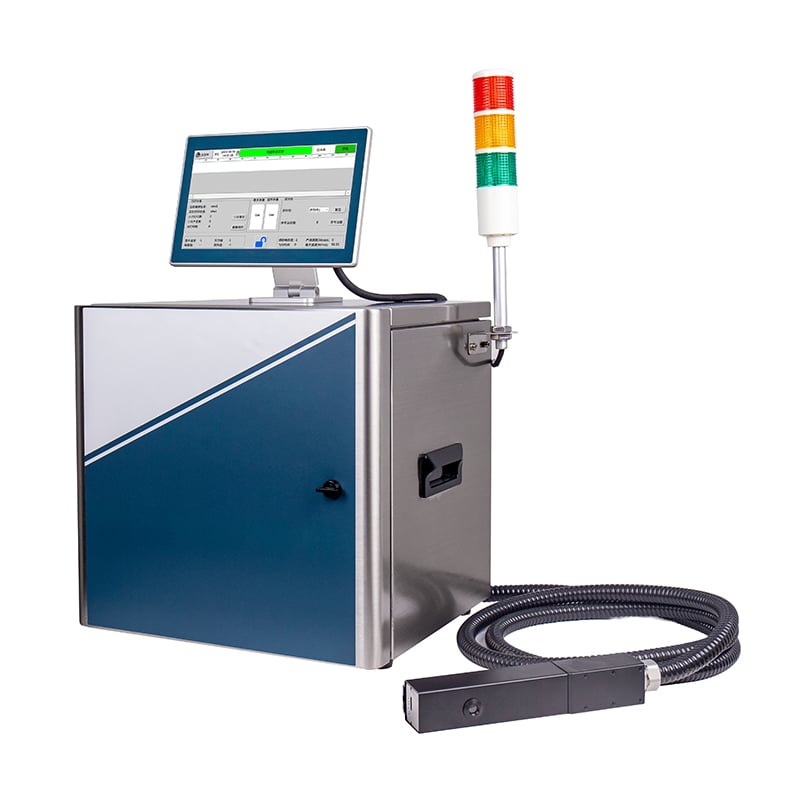
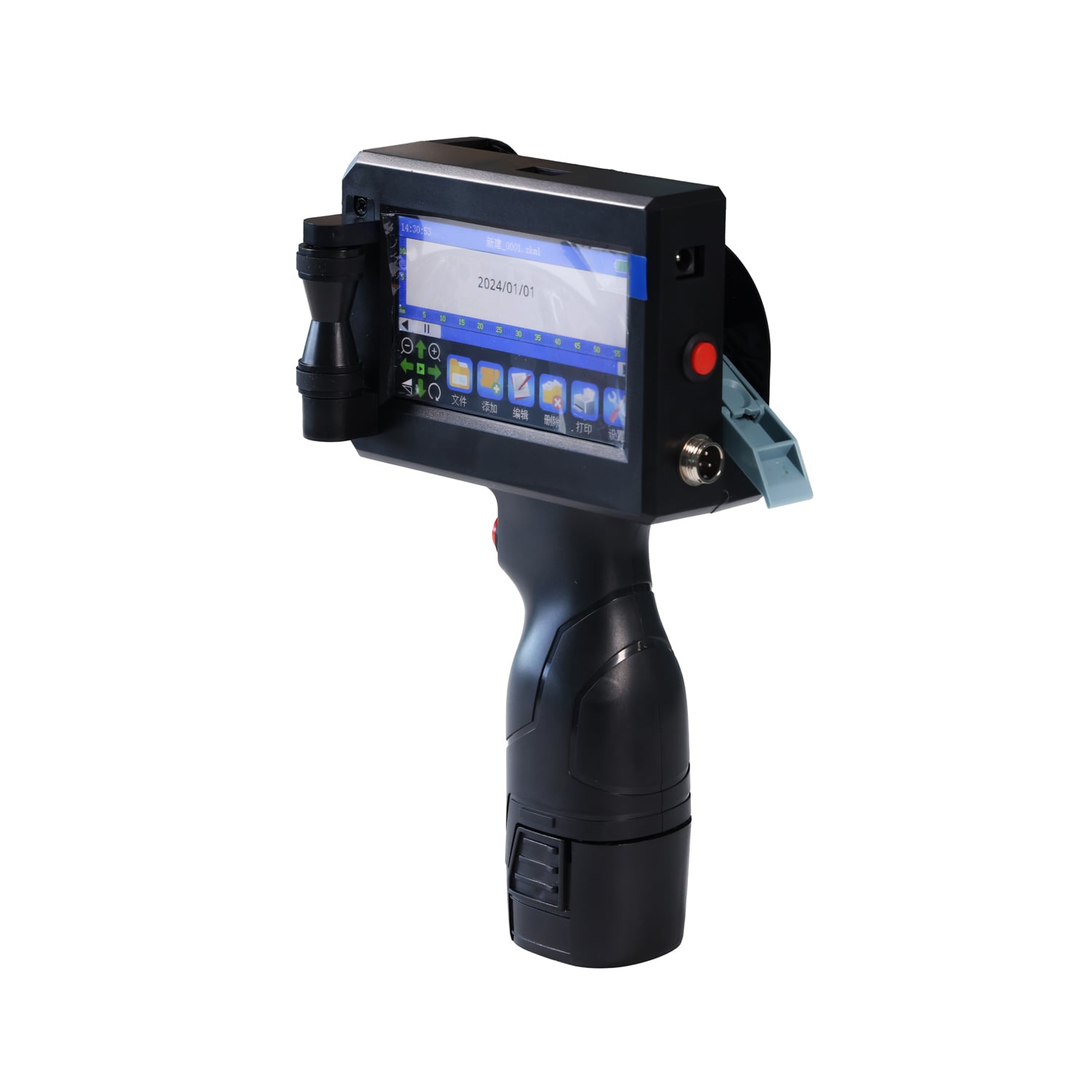
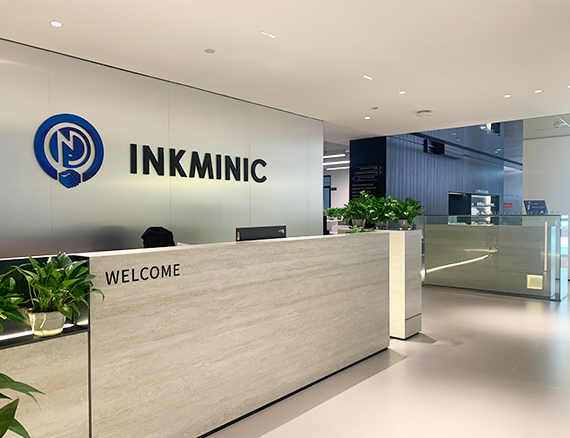
When our Turkish guest walked into the INKMINIC showroom, his first reaction was surprise—not at the size of the space, but at the density of brands on display. He had come expecting to see a single-brand distributor. Instead, he found a wall of options.
INKMINIC does not just sell our own brand. We stock, service, and support a comprehensive portfolio of the industry’s most recognized names: Videojet, Linx, Domino, Citronix, Markem-Imaje, Leibinger, Hitachi, Fastjet, Langde, Anser, Loogle, Sojet, Meetjet, Dongning, Docod, HP, and Dakai.
Why does this matter to a buyer from Turkey? Because no single factory in the world makes the perfect machine for every production line. A dairy in Izmir filling 200 cartons per minute needs a different tool than a cable manufacturer in Bursa printing on black rubber. A distributor who carries only one brand is forced to “fit the product to the machine.” A distributor who carries the full spectrum fits the machine to the product.
Our guest understood this immediately. He pulled out his phone, showed us photos of his customers’ production lines, and said something that stayed with us: “In Turkey, the buyer doesn’t ask for a Videojet. They ask for a solution that works on their line, at their speed, with their budget. You have the solutions.”
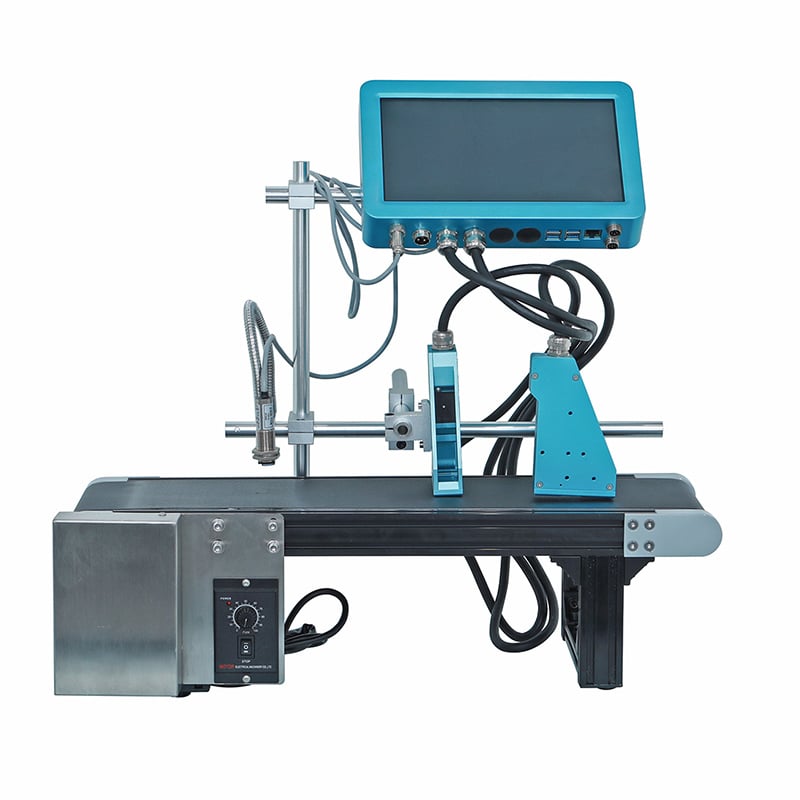
The showroom tour moved quickly from the brand wall to the live demo area. We focused on the four core technologies that cover roughly 95% of industrial coding applications worldwide.
Continuous Inkjet (CIJ) remains the workhorse for high-speed lines. The principle is elegant: a pump pushes ink through a nozzle, a crystal vibrates to break the stream into uniform droplets, and an electric charge deflects each drop to form characters. CIJ excels on curved surfaces—cans, bottles, cables, eggs—and non-porous materials where contact printing would smudge or fail . For our Turkish guest, this was familiar territory. His customers in the beverage sector rely heavily on CIJ for date codes on PET bottles.
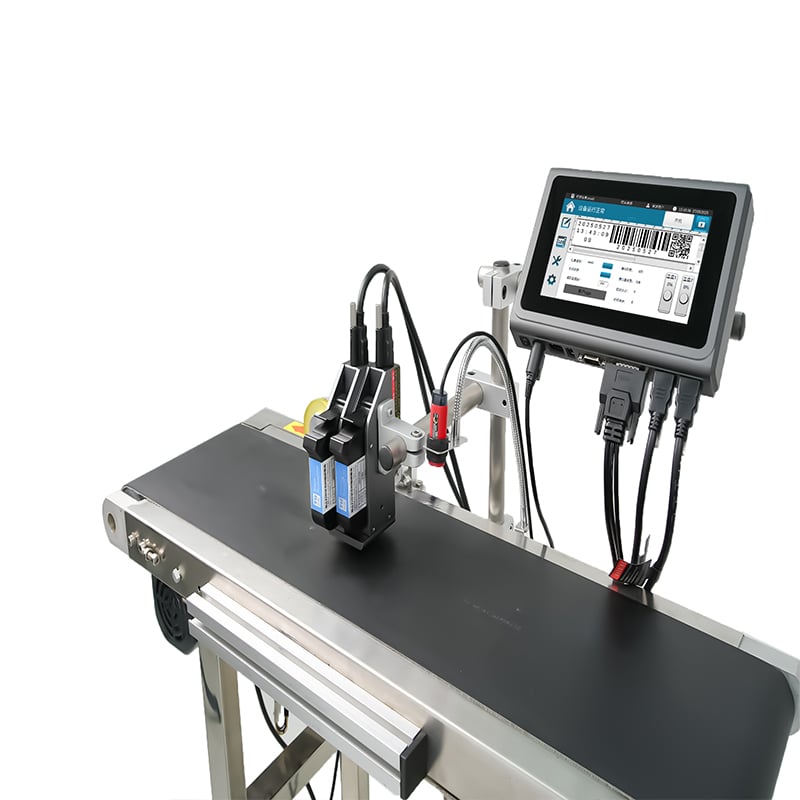
Thermal Inkjet (TIJ) is the newer contender, and it drew the most questions. TIJ uses a tiny resistor to flash-heat ink into a vapor bubble that ejects a droplet . The advantage is resolution: TIJ prints crisp barcodes, QR codes, and small text that CIJ often struggles to match. It is also cleaner and simpler to maintain—no solvent makeup, no viscosity adjustments. The limitation? Traditional TIJ inks adhere best to porous surfaces like cartons and paper. But recent advances in ink chemistry have expanded TIJ onto coated films and foils as well .
Our guest picked up a TIJ cartridge and turned it over in his hands. “This is what my small customers need,” he said. “They want a machine they can plug in and run. No service calls every week.” He was right. For low-to-medium volume operations, TIJ delivers a lower total cost of ownership than a traditional CIJ setup, especially when the print job is barcodes rather than simple date codes.
Thermal Transfer Overprinting (TTO) is the specialist for flexible packaging. Instead of liquid ink, TTO uses a ribbon coated with wax or resin. A heated printhead presses the ribbon against the film, transferring the coating in the shape of the printed characters . There are no solvents, no drying time, and no risk of ink bleeding through the film. For snack bags, frozen food pouches, and coffee packaging—all major export categories for Turkish manufacturers—TTO produces the high-resolution, rub-resistant codes that retailers demand.
Laser Marking rounds out the portfolio. A focused beam alters the surface of the material itself, creating a permanent mark that cannot be removed or smudged. For metal parts, glass bottles, and rigid plastics, laser marking is often the only solution that survives the entire product lifecycle . Our guest noted that his industrial clients in the automotive supply chain were increasingly asking for laser because of traceability regulations.
After the machine demos, we did something that most factory tours skip: we walked into the consumables warehouse.
Ink, make-up, cartridges, ribbons, printheads, filters. Rows of them, organized by brand and chemistry.
Our Turkish guest stopped in front of a shelf of CIJ make-up solvent and nodded slowly. “This is the real business,” he said. “Anyone can sell a machine once. The money—and the headache—is in what the machine drinks.”
He is right, and the industry knows it. A CIJ printer without the correct make-up solvent is a very expensive paperweight. A TIJ system without a reliable cartridge supply chain is a production stoppage waiting to happen. The global supply chain for coding consumables is fragmented, and counterfeit or substandard fluids destroy printheads with depressing regularity.
INKMINIC’s approach is simple: we stock consumables for every brand we sell, and we stock them in depth. That means a Turkish distributor does not need to maintain three separate supplier relationships for Videojet ink, Domino solvent, and Citronix filters. One shipment, one invoice, one quality standard.
The economic logic is straightforward. Consider a mid-sized dairy in Anatolia running eight CIJ printers across two shifts. Each printer consumes roughly 1.5 liters of ink and 3 liters of make-up per month. At retail prices, that is a meaningful monthly expense. But if even one printer goes down because the distributor ran out of make-up, the cost of lost production dwarfs the consumable savings. Reliable consumable supply is not a luxury—it is the difference between a distributor who keeps customers and one who loses them to the next salesperson who walks through the door.
Our guest ordered consumables in volume alongside his machine order. He understood that the machines bring the customer in, but the consumables keep them.
The Turkish market sits at the crossroads of Europe, the Middle East, and Central Asia. Its manufacturers export to demanding buyers who expect readable dates, scannable barcodes, and tamper-evident packaging. The coding equipment that serves this market must be robust, affordable, and backed by a supply chain that does not fail.
Our guest left with a container, a service manual, and a standing invitation to return with his technical team for advanced training. Before he left, he said something that we have heard from partners in Vietnam, Nigeria, and Mexico: “You are not the cheapest. But you are the only one who showed me the whole picture.”
That is the business we are in. Not selling a machine. Not selling a box of ink. Selling the confidence that whatever the production line requires—CIJ, TIJ, TTO, laser, or the consumables that keep them running—there is one supplier who can deliver it.
If you are a distributor or end-user looking for a coding partner who carries the full spectrum, we invite you to visit our showroom. Bring photos of your production lines. Tell us what is failing, what is too expensive, and what your customers are asking for. We will show you the options, the consumables, and the numbers.
 Hot News
2026-05-29
2026-02-13
2026-01-06
2026-01-05
2026-06-23
2026-06-22

Based In China
Serving The World
Room401, Building B, Xulong Industrial Park, Road Xinye No.76, Huangpu District, Guangzhou, Guangdong, China
Copyright © 2025 by Inkminic Logo Technology (Guangzhou) Co., Ltd. Privacy Policy
 EN