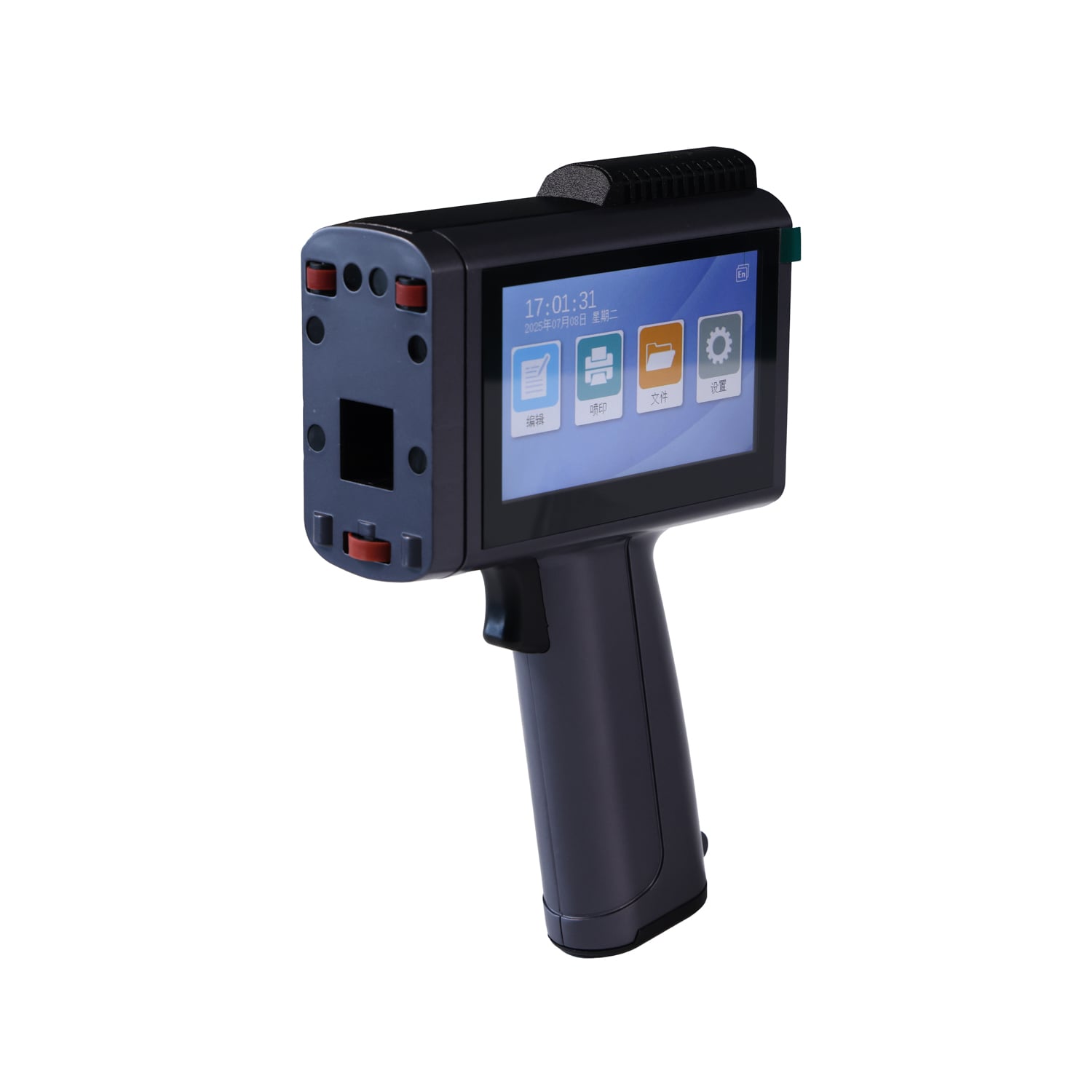
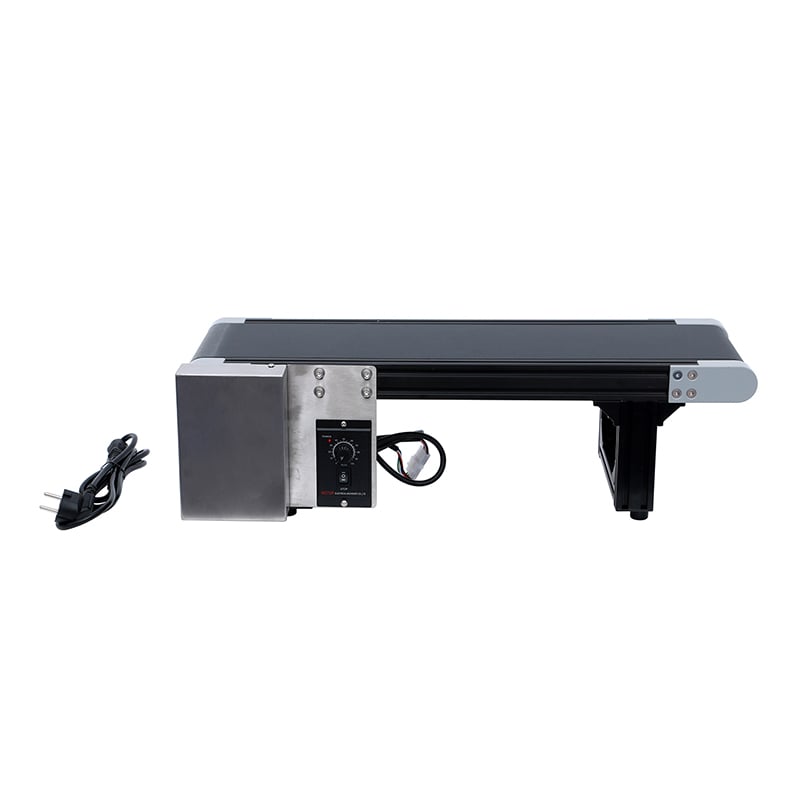
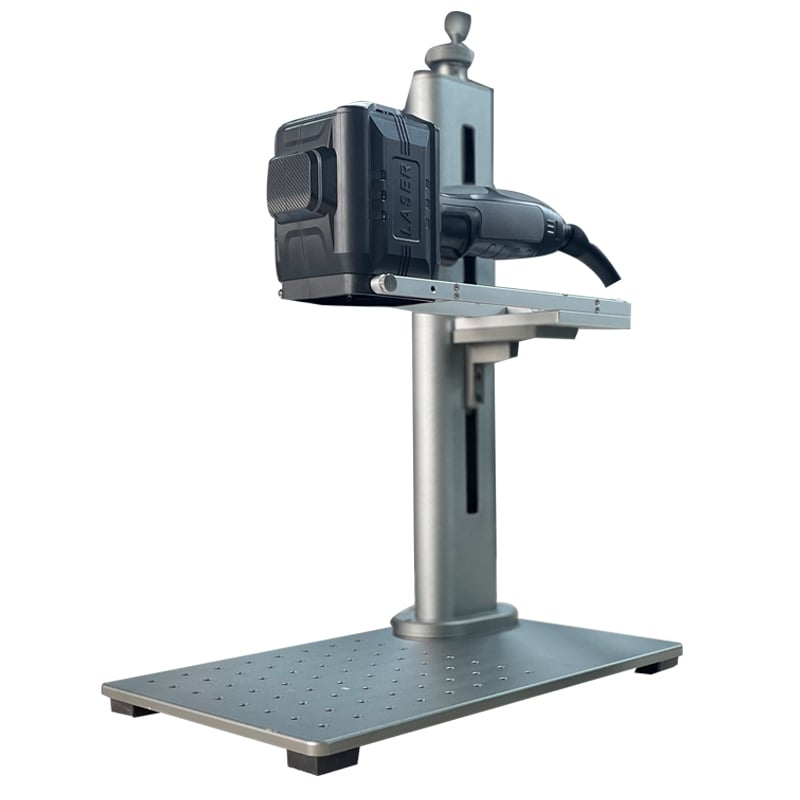
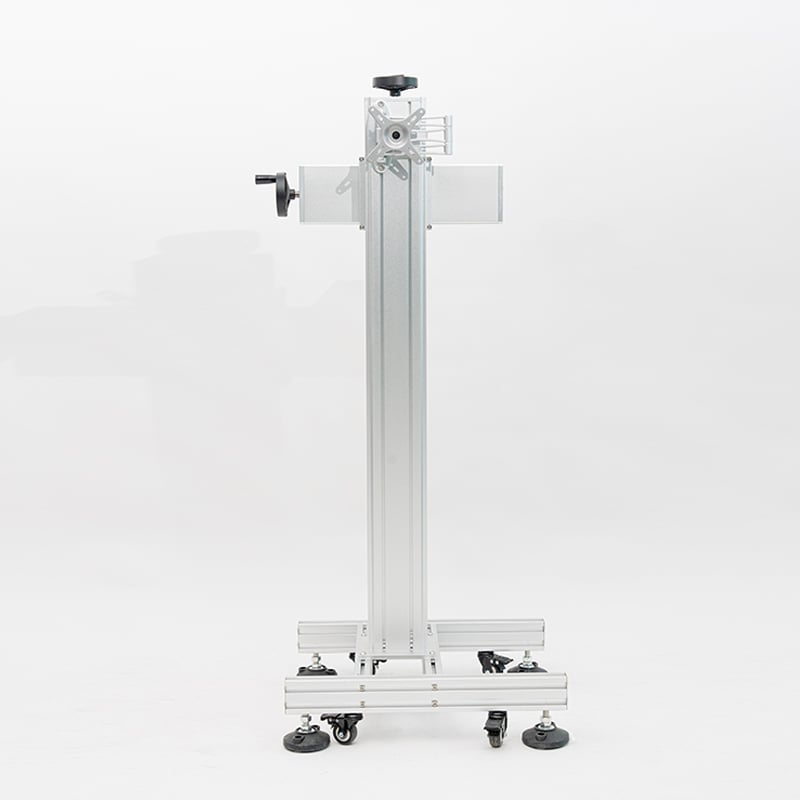
Bottom line: The Inkminic FM17 is a continuous inkjet (CIJ) printer built for production lines that need reliable, high-speed date and batch coding without the premium price tag of legacy European brands. Its value proposition rests not on being the cheapest machine on the market, but on delivering the essential CIJ capabilities—non-contact printing on flat surfaces, fast line speeds, and broad material compatibility—at a total cost of ownership that undercuts comparable Western equipment.
What it does well. CIJ technology, by nature, excels where other methods fall short: it prints on metal, plastic, glass, and wood, and handles flat surfaces that other printing methods cannot manage efficiently. The FM17 inherits this core advantage. It is designed for the standard industrial tasks—expiry dates, batch numbers, barcodes, QR codes, and simple logos—at the speeds required for active packaging lines. For manufacturers running beverage, food, electronics, or building materials lines, this covers the vast majority of coding requirements without overpaying for features that rarely get used.
Maintenance-free operation. One of the FM17's most practical advantages is its maintenance-free design. Unlike conventional CIJ printers that require routine cleaning and periodic attention to the ink system, the FM17 is engineered for hassle-free operation. The cartridge-based ink system means users simply plug in a cartridge and the printer is ready to work—no complex ink mixing, no lengthy setup procedures, and no specialized training required. This plug-and-play approach dramatically reduces downtime and eliminates the operational burden that typically comes with CIJ equipment.
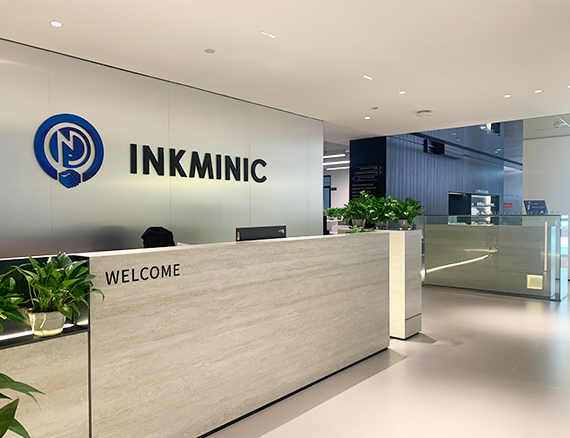
Why the cost equation works. Inkminic operates as a Guangzhou-based manufacturer with in-house assembly capabilities and its own consumables development, rather than a pure trading company reselling imported machines. This vertical integration matters for cost: proprietary ink production eliminates a markup layer and gives the company tighter control over ink purity, which directly reduces the risk of nozzle clogging—the most common downtime culprit in CIJ operations. The company reports sales across more than 30 countries and a base of over 1,000 factories, which suggests a level of market validation for its pricing and support model.
The honest caveat. While the FM17's cartridge system and maintenance-free design significantly lower the operational barrier, buyers should still verify that the specific ink formulation meets their application requirements—particularly for food-grade or specialty substrate needs. The value argument for the FM17 is that it minimizes both the cost and the complexity of ownership through affordable, high-purity consumables and a genuinely plug-and-play experience. Buyers comparing it to a Domino or Markem-Imaje should expect a significantly lower entry price, lower consumable costs, and far less day-to-day maintenance effort.
Who should consider it. The FM17 makes the most sense for small-to-mid-sized manufacturers, co-packers, or regional production facilities that need dependable CIJ coding but cannot justify the capital outlay or service contract premiums associated with tier-one brands. It is also a reasonable option for operations running multiple lines, where the savings per unit compound quickly. For facilities requiring specialized food-grade certifications beyond standard CIJ inks, a closer look at the specific ink formulation is warranted before committing.
 Hot News
2026-06-30
2026-07-01
2026-10-16
2026-10-19
2026-10-19
2026-10-20

Based In China
Serving The World
Room401, Building B, Xulong Industrial Park, Road Xinye No.76, Huangpu District, Guangzhou, Guangdong, China
Copyright © 2025 by Inkminic Logo Technology (Guangzhou) Co., Ltd. Privacy Policy
 EN