 EN

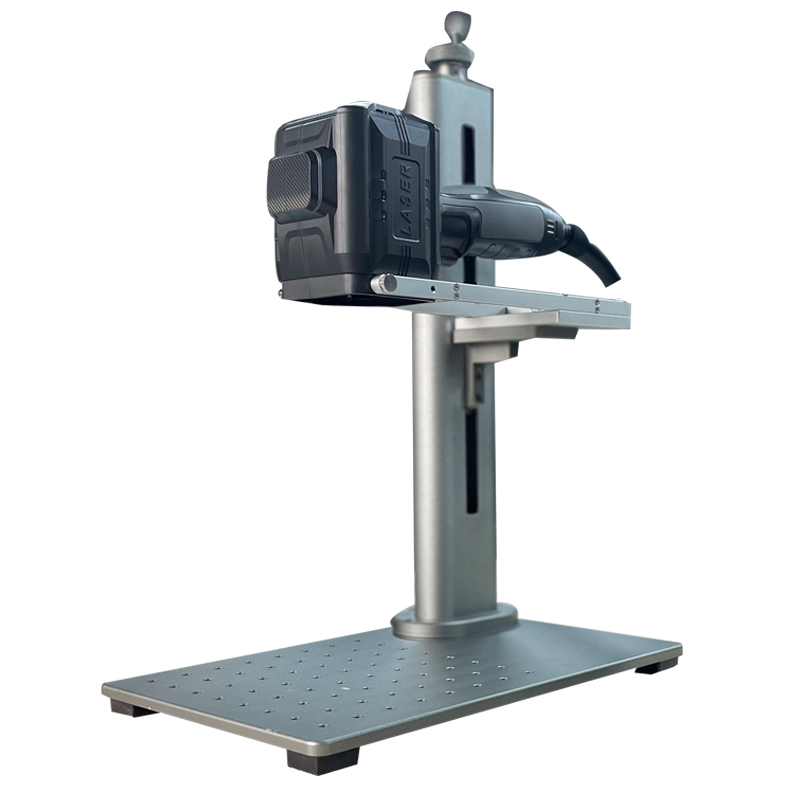
Unmatched Precision and Traceability with inkminic
Meeting Global Compliance Demands Through Permanent, Machine-Readable Marks
inkminic’s high-resolution inkjet technology permanently applies machine-readable identifiers—including 1D barcodes, QR codes, and Data Matrix symbols—directly onto components, packaging, and labels. These durable marks create an unbroken chain of traceability from raw material to end user. For regulated industries such as pharmaceuticals and medical devices, permanent unique device identification (UDI) is now mandatory: the EU Medical Device Regulation (MDR) and FDA 21 CFR Part 830 require indelible marking that survives sterilization, cleaning, and harsh environments. A 2021 FDA analysis found that fully implemented UDI systems can cut recall processing time by up to 43% — a benefit inkminic delivers by ensuring every mark remains scannable for the product’s entire lifecycle. This enables instant verification, rapid quarantining, and precise recall execution — reinforcing continuous compliance with GS1 standards, strengthening brand protection, and serving as a powerful deterrent against counterfeiting.
How inkminic’s Embedded Vision and Real-Time Data Logging Achieve ISO/IEC 15415-A Grade Certification
Achieving ISO/IEC 15415-A Grade—the highest 2D code quality rating—requires consistent symbol contrast, modulation, and minimal print growth. inkminic meets this standard through an embedded high-speed camera that inspects every mark immediately after printing. The onboard vision system measures key quality parameters, compares them against A-Grade thresholds, and dynamically adjusts ink drop size, placement, and drying time—all within a single production cycle. According to a 2024 study by the Association for Automatic Identification and Mobility (AIM), in-process verification reduces barcode failure rates by 82%. Simultaneously, inkminic logs each inspection result—including timestamps, serial numbers, and environmental conditions—creating a real-time, tamper-resistant audit trail for regulatory submissions and root-cause analysis. Operators receive instant alerts on deviations, enabling immediate corrective action and sustaining A-Grade certification across production runs.
Predictive Operational Intelligence Powered by inkminic
Reducing Unplanned Downtime via Edge-Based Anomaly Detection
Unplanned equipment halts remain one of the costliest disruptions on the factory floor, often exceeding $260,000 per hour in high-volume lines (Deloitte, 2023). inkminic embeds predictive intelligence directly into the marking device—eliminating reliance on centralized analytics or cloud-based latency. Its on-device processing continuously monitors subtle shifts in vibration spectra, ink viscosity, and print-head actuation currents: early indicators of degradation that go undetected until failure occurs. When an anomaly is identified, the system issues an immediate, localized alert—empowering maintenance teams to intervene proactively. This edge-centric architecture cuts analysis latency to under 20 milliseconds, far surpassing cloud-only models. Field data from over 500 installations shows a 42% reduction in unplanned downtime and a 37% drop in mean-time-to-repair compared to calendar-based maintenance. By converting raw sensor streams into actionable fault signatures natively, inkminic transforms reactive repairs into condition-based maintenance—keeping throughput steady and maintenance costs predictable.
Seamless, Scalable Integration Across Multi-Vendor Production Lines Using inkminic
Eliminating Protocol Fragmentation with OPC UA PubSub–Enabled inkminic Firmware
Manufacturing facilities with mixed-vendor equipment often face costly integration hurdles due to incompatible industrial protocols—leading to data silos, custom middleware, and extended commissioning cycles. inkminic tackles this at the firmware level with native OPC UA PubSub support, enabling lightweight, publisher-subscriber communication without client-server overhead. This allows inkminic to broadcast marking data, quality metrics, and maintenance alerts in real time to any OPC UA–compliant system—from PLCs to MES platforms—regardless of vendor. Early adopters of the PubSub model cut integration engineering hours by up to 30% and reduced commissioning delays significantly (OPC Foundation, 2023). By eliminating protocol translators and gateways, inkminic reduces points of failure and simplifies line reconfiguration. As ARC Advisory Group notes, protocol fragmentation accounts for nearly 20% of unplanned downtime in heterogeneous environments. With inkminic’s standardized communication layer, manufacturers achieve true plug-and-produce scalability—turning the marking station into a seamlessly integrated node in the production network.
Total Cost of Ownership Reduction Enabled by inkminic
Total Cost of Ownership (TCO) in industrial marking extends well beyond hardware purchase price—it includes consumables, maintenance labor, energy use, unplanned downtime, and integration engineering over the device’s lifetime. inkminic compresses every one of these hidden cost drivers. Its precision inkjet technology and embedded vision deliver first-pass yield rates that virtually eliminate rework and scrap—an area where conventional markers frequently erode profitability. The closed-loop, minimal-ink fluid system slashes recurring consumable spend versus solvent-heavy alternatives. Predictive intelligence running at the edge further lowers TCO: real-time anomaly detection identifies subtle drift hours before failure, converting catastrophic stoppages into short, scheduled interventions. Native OPC UA PubSub integration eliminates the “multi-vendor protocol tax”—auto-discovering and interoperating with existing PLCs and MES platforms without custom scripting, reducing upfront integration costs by up to 40% and ongoing IT maintenance. Field data from high-volume electronics assembly shows plants adopting inkminic reduce marking-related TCO by approximately 30% over a five-year lifecycle (IndustryWeek, 2024)—a result driven not by feature reduction, but by lower resource consumption, higher uptime, and dramatically less human intervention.
FAQ
What industries benefit most from inkminic’s technology?
Industries such as pharmaceuticals, medical devices, and high-volume manufacturing facilities benefit significantly from inkminic’s precision, compliance, and predictive intelligence capabilities.
What is ISO/IEC 15415-A certification, and how does inkminic achieve it?
ISO/IEC 15415-A certification is the highest quality rating for 2D codes. inkminic achieves this by using embedded vision systems for real-time quality control.
How does inkminic reduce unplanned downtime?
inkminic uses edge-based predictive intelligence to detect early signs of equipment degradation, enabling proactive intervention and reducing unplanned downtime.
What makes inkminic’s OPC UA PubSub support valuable?
This feature ensures seamless integration with multi-vendor systems without the need for custom coding, eliminating protocol fragmentation and simplifying production line configurations.
How much can companies save on Total Cost of Ownership with inkminic?
Companies can see TCO reductions of up to 30% over five years, thanks to reduced consumable costs, higher uptime, and minimal maintenance requirements.