 EN
EN

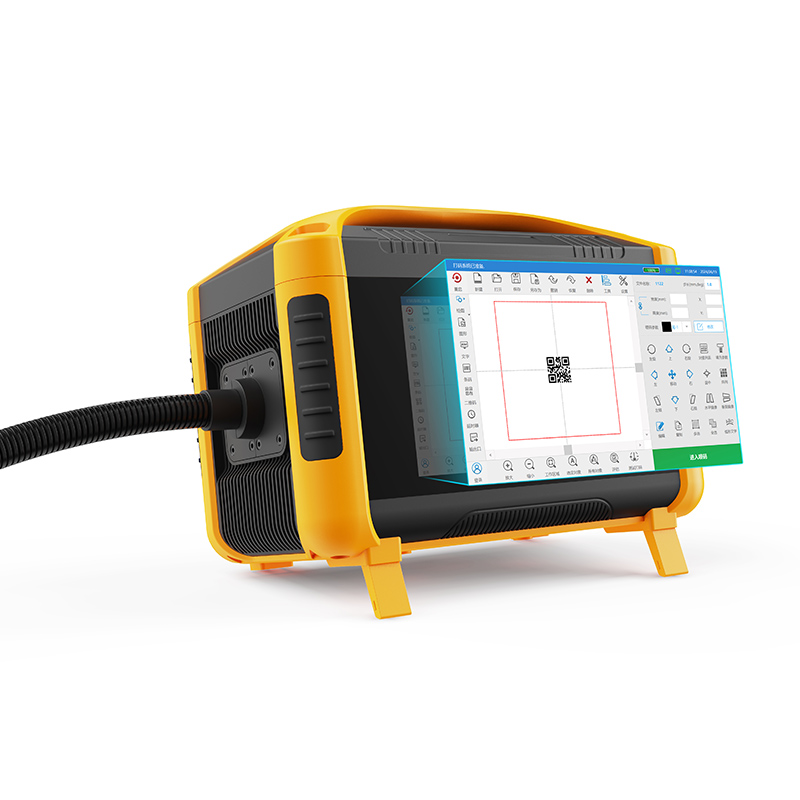
For auto parts manufacturers, stable, clear, and permanent marking is not just about identification—it directly affects production traceability, quality control, aftermarket maintenance, and compliance with strict automotive standards. After working with dozens of auto parts enterprises to upgrade marking lines, I’ve seen firsthand how mismatched equipment leads to blurry codes, unqualified inspections, production bottlenecks, and even recall risks. Choosing the right laser printer is one of the most critical decisions for auto parts marking. In this article, I share practical experience, professional analysis, and real cases to help you accurately match the right laser printer for auto parts marking, based on INKMINIC’s mature industrial marking solutions.
Understand Auto Parts Marking Requirements Before Selecting a Laser Printer
Before choosing any laser printer, you must first clarify the real demands of auto parts marking. Auto parts cover metals, alloys, engineering plastics, rubber, circuit boards, and more; each has different surface properties, hardness, and heat resistance. Meanwhile, automotive standards such as IATF 16949 require permanent, wear-resistant, high‑contrast marks that remain readable after high temperature, oil corrosion, vibration, and long‑term use.
I once helped a chassis components factory that used an inappropriate laser printer. Marks faded easily after spraying and oil immersion, causing many batches to fail inspection. After re‑evaluating their materials, working conditions, and mark durability needs, we matched a high‑stability fiber laser printer from INKMINIC. The marks became permanent and fully passed reliability tests.
According to industry research and automotive material specifications, metal parts such as engine parts, gears, shafts, and hardware need high‑power fiber laser printers. Plastic and heat‑sensitive parts require UV or low‑heat laser systems to prevent deformation. Parts needing ultra‑fine marks such as sensors and electronic components demand high precision and stable beam quality.
As automotive industry expert David Miller noted, “Auto parts marking is not about choosing the most expensive laser printer, but the one that matches material, environment, and standards.” INKMINIC provides professional material testing and scheme evaluation, ensuring your laser printer fits actual production conditions.
Match Laser Printer Types Based on Auto Parts Materials
The core of correct matching is choosing the right laser source based on materials. Different laser printers perform completely differently on metal, plastic, coated surfaces, and aluminum alloys. Using the wrong type results in blurry text, unreadable codes, material damage, or low efficiency.
From my project experience, most metal auto parts—including steel, stainless steel, aluminum alloy, copper, and cast iron—perform best with a fiber laser printer. It delivers high contrast, fast speed, and strong durability, ideal for batch marking. INKMINIC’s fiber laser printers feature stable light beams, fine lines, and strong penetration, satisfying permanent marking on engine parts, fasteners, and chassis components.
For plastic parts like instrument panels, housings, connectors, and insulation parts, UV or specialized low‑heat laser systems are more suitable. They produce almost no heat-affected zone, avoiding scorching, deformation, or yellowing. INKMINIC’s precision laser solutions maintain clarity and integrity even on small or thin plastic parts.
Coated or painted parts need carefully calibrated laser printers to avoid damaging the surface while achieving clear marks. INKMINIC’s adjustable power and fine parameter control make this possible.
A auto electronics manufacturer once struggled with deformed plastic housings and unreadable QR codes. After switching to INKMINIC’s precision UV laser printer, deformation disappeared, and reading stability reached 100%.
Modern auto parts factories often handle mixed materials. INKMINIC’s versatile laser printer systems support multi‑material compatibility, reducing the need for multiple machines and lowering investment costs.
Match Speed, Accuracy, and Stability to Production Line Requirements
Auto parts production lines are highly automated and continuous, so a laser printer must keep up with line speed while maintaining consistent marking quality. Insufficient speed creates bottlenecks; poor accuracy leads to misaligned or unreadable codes; unstable performance causes downtime and quality risks.
In one high‑volume brake parts factory, the old marking machine could not keep up with the line, causing frequent backlogs. After replacing it with an INKMINIC high‑speed laser printer, marking efficiency increased by over 40%, fully synchronizing with production.
For precision parts such as sensors, electronic valves, and instrument components, accuracy is critical. Minimum line width, repeat positioning accuracy, and edge smoothness directly affect QR code and Data Matrix reading rate. INKMINIC’s laser printer reaches micron‑level accuracy, ensuring stable reading even for ultra‑small marks.
Stability is especially important for 24‑hour continuous production. INKMINIC’s industrial laser printers use robust structures, premium components, and intelligent cooling systems to maintain stable performance for long runs. The self‑check and early‑warning functions also reduce unexpected downtime.
As noted in industrial laser application guidelines, equipment for continuous automotive lines must meet high stability, low failure rate, and easy maintenance. INKMINIC’s laser printer is designed for these harsh conditions, widely used in tier‑1 and tier‑2 auto parts suppliers.
Consider Traceability, System Integration, and Smart Production
Modern auto parts marking is not just physical printing—it supports full‑life‑cycle traceability required by IATF 16949. A suitable laser printer must connect smoothly with MES, ERP, and scanning systems to realize data upload, record storage, and full traceability.
I helped a transmission factory integrate an INKMINIC laser printer with their MES system. Each part’s serial number, batch, date, and manufacturer code are automatically generated and marked; data is synchronized in real time. This greatly improved quality management and reduced manual errors.
INKMINIC’s laser printer supports multiple data formats, barcode types, and communication protocols, enabling flexible integration. It can automatically call templates, update content, and feedback marking status, supporting intelligent manufacturing.
For enterprises gradually building smart factories, choosing a future‑proof laser printer is essential. INKMINIC’s systems support remote monitoring, fault diagnosis, and software upgrades, protecting long‑term investment.
Auto parts marking also requires complete operation logs for audits and recalls. INKMINIC’s intelligent management system automatically records each marking, fully complying with automotive industry traceability rules.
Safety, Certification, and After‑Sales Support for Long‑Term Reliability
Auto parts production involves high standards for equipment safety, environmental protection, and compliance. A reliable laser printer must meet international safety standards, have complete certification, and offer professional after‑sales support to ensure stable long‑term operation.
INKMINIC’s laser printer series comply with CE, FDA, RoHS, and laser safety standards, and have passed multiple automotive industry performance tests. The fully enclosed design and protective structure ensure safe operation in busy workshops.
In one project, a factory urgently needed certification‑compliant equipment for export‑oriented production. INKMINIC provided complete certification documents and on‑site verification support, helping them pass customer audits smoothly.
After‑sales support is equally important. Auto parts lines cannot afford long downtime. INKMINIC provides 24‑hour customer service, professional engineers, rapid maintenance, and sufficient spare parts. As a source factory, it also ensures stable supply and cost‑effective upgrades.
From years of practical experience, the best laser printer for auto parts is not determined by parameters alone, but by comprehensive matching of material, production speed, precision, integration, safety, and service. INKMINIC has accumulated rich experience in auto parts marking, providing stable, reliable, and future‑proof solutions for metal, plastic, precision, and high‑speed scenarios.
Whether you produce engine components, electronic parts, interior parts, or chassis accessories, reasonable laser printer matching improves marking quality, efficiency, and traceability, while reducing costs and risks. Choosing INKMINIC means choosing professional, reliable, and worry‑free industrial marking support for your auto parts business.
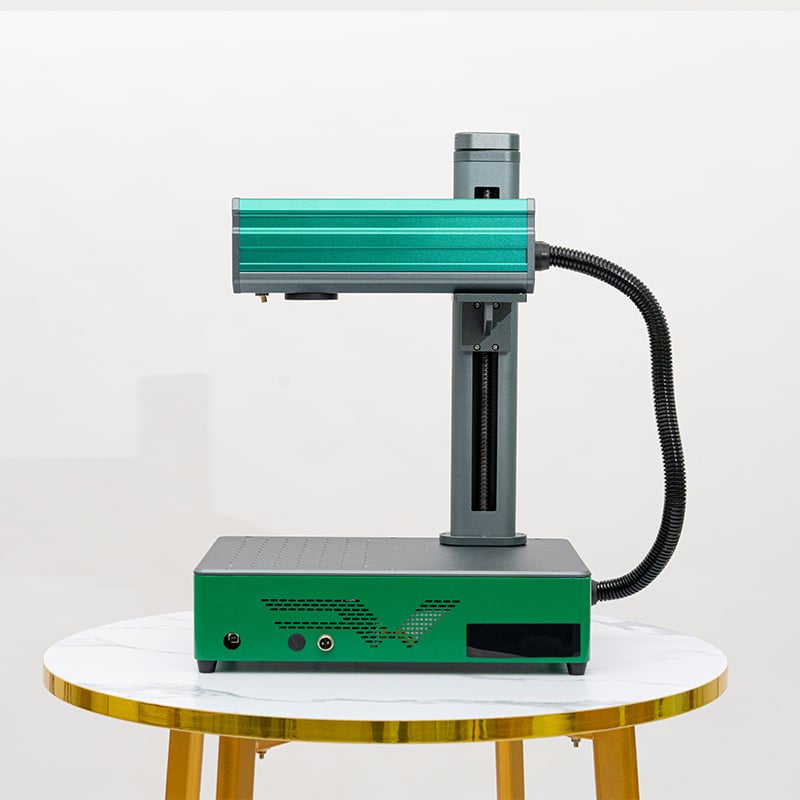
Table of Contents
- Understand Auto Parts Marking Requirements Before Selecting a Laser Printer
- Match Laser Printer Types Based on Auto Parts Materials
- Match Speed, Accuracy, and Stability to Production Line Requirements
- Consider Traceability, System Integration, and Smart Production
- Safety, Certification, and After‑Sales Support for Long‑Term Reliability