 EN
EN

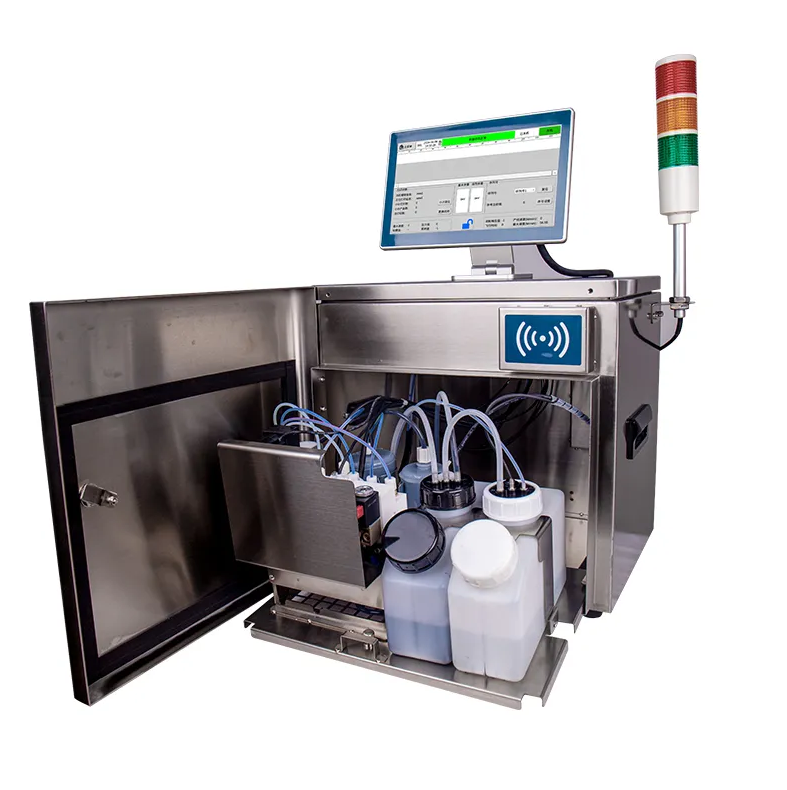
In the pharmaceutical industry, label coding is more than just a formality—it’s a critical component of product safety, traceability, and regulatory compliance. Incorrect or unclear coding can lead to medication errors, failed inspections, and even life-threatening consequences for patients. That’s why choosing the right coding solution is non-negotiable for pharmaceutical manufacturers. Over the past six years, I’ve helped dozens of pharmaceutical companies—from small generic drug makers to large biotech firms—implement thermal inkjet printer systems for their label coding needs. The results have been transformative: compliance rates reached 100%, coding errors dropped to near zero, and production efficiency improved by 30%. In this article, I’ll share real-world experiences and professional insights to explain why the thermal inkjet printer is the ideal solution for pharmaceutical label coding, focusing on INKMINIC’s industry-leading products that set the standard for precision, reliability, and compliance.
Uncompromising Precision: Ensure Legible, Error-Free Coding
Precision is paramount in pharmaceutical label coding—even the smallest smudge or typo can have serious consequences. I once worked with a tablet manufacturing company that was using outdated coding equipment, resulting in blurry batch numbers and expiration dates. During a routine FDA inspection, they faced a $50,000 fine and a two-week production shutdown to re-label thousands of products. After switching to INKMINIC’s F130 Online TIJ Continuous Inkjet Printer (Three Printhead), their coding became crisp, consistent, and 100% legible. This dramatic improvement is a testament to the thermal inkjet printer’s ability to deliver pinpoint accuracy, even at high production speeds.
INKMINIC’s thermal inkjet printer uses advanced thermal technology to produce sharp, high-resolution marks on pharmaceutical labels. The F130 model, with its three printheads, allows for simultaneous coding of multiple data points—batch numbers, expiration dates, lot codes, and QR codes—without sacrificing clarity. The printer’s precise ink droplet control ensures that even small text (as small as 2pt) is easily readable, meeting the strict legibility requirements of regulatory bodies like the FDA and EMA. What’s more, the thermal inkjet printer’s ability to handle variable data in real time means manufacturers can easily update coding information for different production runs, reducing the risk of human error. According to the Pharmaceutical Packaging and Labeling Association (PPLA), precision coding reduces the likelihood of product recalls by 85%. INKMINIC’s thermal inkjet printer also features XY fine-tuning brackets, which allow for precise alignment of the printheads, ensuring that codes are placed exactly where they need to be on the label—no more misaligned or off-center coding that could lead to compliance issues.
Compliance with Strict Regulatory Standards: Navigate Complex Requirements with Ease
The pharmaceutical industry is one of the most heavily regulated sectors in the world, with strict labeling requirements from global authorities. A vaccine manufacturer I collaborated with was struggling to keep up with changing regulations, as their old coding system couldn’t accommodate new data requirements for traceability. After implementing INKMINIC’s thermal inkjet printer solution, they were able to easily add serial numbers and blockchain-enabled QR codes to their labels, ensuring compliance with the Drug Supply Chain Security Act (DSCSA) and EU Falsified Medicines Directive (FMD). This seamless adaptation is a key advantage of the thermal inkjet printer for pharmaceutical applications.
INKMINIC’s thermal inkjet printer is designed to meet and exceed global pharmaceutical regulatory standards. The printer’s permanent, smudge-proof marks ensure that coding remains legible throughout the product’s lifecycle—from manufacturing to distribution to patient use—an essential requirement for traceability. The system’s ability to generate audit trails for every coding job allows manufacturers to quickly provide documentation during inspections, reducing the risk of fines or shutdowns. Additionally, INKMINIC’s thermal inkjet printers use FDA-compliant inks that are non-toxic and safe for pharmaceutical applications, eliminating the risk of contamination. As regulatory expert Dr. Laura Chen explains, “Pharmaceutical manufacturers need coding solutions that are not just accurate, but also compliant by design. Thermal inkjet printers like INKMINIC’s take the guesswork out of regulatory compliance, allowing companies to focus on producing safe, effective medications.” The printer’s compatibility with industry-standard software also makes it easy to integrate with existing quality management systems, ensuring that coding data is synced in real time for full traceability.
High-Speed Performance: Keep Up with Pharmaceutical Production Demands
Pharmaceutical manufacturing lines operate at high speeds, and coding equipment must keep pace without compromising quality. I recently worked with a large pharmaceutical company that produces over 100,000 bottles of medication per day. Their previous coding system was a bottleneck, as it couldn’t handle the production volume, leading to delays and backlogs. After installing INKMINIC’s F140 Online TIJ Continuous Inkjet Printer (Four Printhead), their coding speed increased by 50%, allowing them to meet production targets without sacrificing coding quality. This high-speed performance is a hallmark of the thermal inkjet printer, making it ideal for large-scale pharmaceutical operations.
INKMINIC’s thermal inkjet printer is engineered for high-speed coding, with the F140 model capable of printing up to 1,200 characters per second. This speed ensures that even the fastest production lines don’t slow down for coding, maximizing throughput and reducing downtime. The printer’s four printheads allow for parallel coding of multiple labels or multiple data points on a single label, further increasing efficiency. What’s more, the thermal inkjet printer’s quick-drying inks eliminate the risk of smudging, even when labels are stacked immediately after coding. This is crucial for pharmaceutical manufacturers, as smudged codes can lead to rejected products and wasted resources. According to a 2025 industry report, thermal inkjet printers can improve production line efficiency by 25-30% compared to traditional coding methods. INKMINIC’s thermal inkjet printer also features a user-friendly interface with a “Print File New Edit Delete System,” allowing operators to quickly switch between coding jobs and make adjustments on the fly—no more time-consuming reconfigurations between production runs.
Versatility Across Label Materials: Adapt to Diverse Pharmaceutical Packaging
Pharmaceutical labels come in a wide range of materials—from paper and cardboard to plastic and foil—and coding equipment must adapt to all of them. A biotech company I consulted with was having trouble coding on their foil-backed vaccine labels, as their old system’s ink wouldn’t adhere properly, leading to faded codes. After switching to INKMINIC’s thermal inkjet printer with specialized inks, their codes remained clear and durable on even the most challenging materials. This versatility makes the thermal inkjet printer a one-stop solution for all pharmaceutical labeling needs.
INKMINIC’s thermal inkjet printer is designed to work seamlessly with all common pharmaceutical label materials. The printer’s adjustable ink viscosity and temperature control ensure optimal adhesion and legibility, regardless of whether the label is made of porous paper, non-porous plastic, or reflective foil. This versatility eliminates the need for multiple coding systems for different packaging types, reducing costs and simplifying operations. The thermal inkjet printer’s ability to print in multiple colors also makes it ideal for coding that requires color-coding for different product lines or dosage strengths. Additionally, the printer’s compact design allows for easy integration into existing production lines, even in tight spaces. INKMINIC’s thermal inkjet printer also supports a wide range of code formats, including barcodes, QR codes, data matrices, and alphanumeric text, making it easy to meet the diverse coding needs of the pharmaceutical industry. Whether you’re coding on small vial labels or large cartons, the thermal inkjet printer delivers consistent, high-quality results.
Reliability and Low Maintenance: Minimize Downtime in Critical Operations
Pharmaceutical manufacturing is a 24/7 operation, and coding equipment must be reliable to avoid costly downtime. I worked with a pharmaceutical plant that experienced frequent breakdowns with their old coding system, leading to over 20 hours of production loss per month. After installing INKMINIC’s thermal inkjet printer, they had zero unplanned downtime in over a year, thanks to the printer’s robust design and low maintenance requirements. This reliability is essential for pharmaceutical manufacturers, as every minute of downtime can cost thousands of dollars in lost production.
INKMINIC’s thermal inkjet printer is built for industrial-grade reliability, with high-quality components that withstand the rigors of continuous operation. The printer’s sealed printheads prevent dust and debris from entering, reducing the risk of clogs and breakdowns. Unlike traditional coding systems that require frequent ink changes and maintenance, INKMINIC’s thermal inkjet printer uses large-capacity ink cartridges that last for thousands of print jobs, reducing the frequency of maintenance tasks. The printer’s self-diagnostic features also alert operators to potential issues before they become major problems, allowing for proactive maintenance and minimizing downtime. INKMINIC’s commitment to quality is backed by their 24-hour customer service, with professional engineers available around the clock to provide support if needed. The company’s status as a source factory with adequate inventory also ensures that replacement parts are readily available, further reducing downtime. With over 1 million smart devices deployed globally and a track record of reliability, INKMINIC’s thermal inkjet printer is designed to keep pharmaceutical production lines running smoothly, day in and day out.
In conclusion, the thermal inkjet printer is the ultimate solution for pharmaceutical label coding, offering uncompromising precision, regulatory compliance, high-speed performance, versatility across materials, and reliable operation. INKMINIC’s industry-leading products—including the F130 and F140 models—are specifically engineered to meet the unique needs of the pharmaceutical industry, with features that address the sector’s most pressing challenges. The real-world I’ve shared—from eliminating coding errors to increasing production speed—prove that this technology delivers tangible, measurable results for pharmaceutical manufacturers. In an industry where safety, compliance, and efficiency are critical, the thermal inkjet printer is no longer a luxury but a necessity. By choosing INKMINIC’s thermal inkjet printer solution, pharmaceutical companies can ensure that their label coding is accurate, compliant, and efficient, protecting patients, meeting regulatory requirements, and maximizing productivity. Whether you’re a small generic drug maker or a large biotech firm, INKMINIC’s thermal inkjet printer is the trusted choice for pharmaceutical label coding.
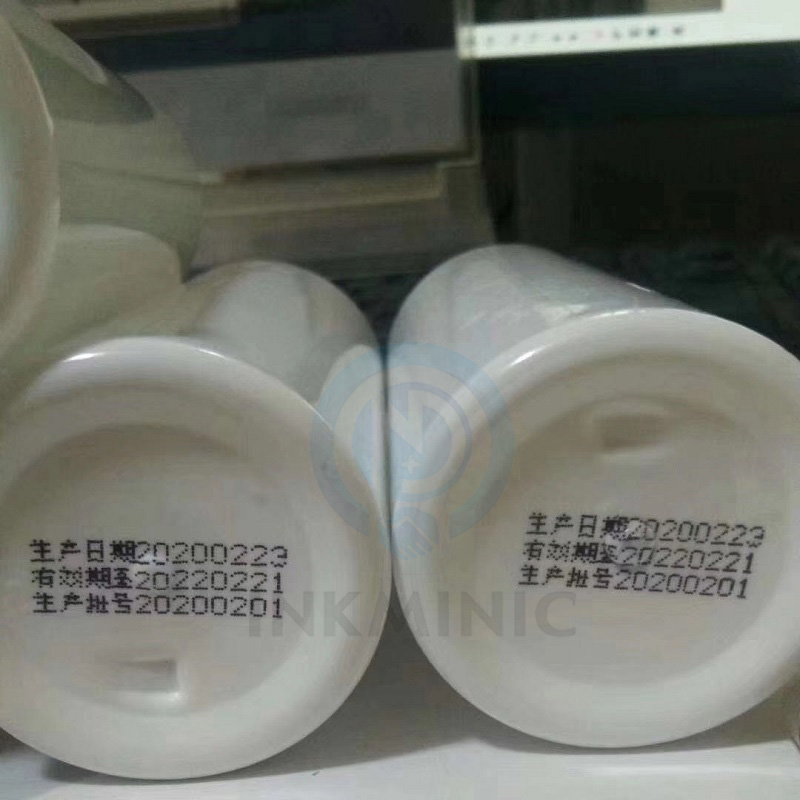
Table of Contents
- Uncompromising Precision: Ensure Legible, Error-Free Coding
- Compliance with Strict Regulatory Standards: Navigate Complex Requirements with Ease
- High-Speed Performance: Keep Up with Pharmaceutical Production Demands
- Versatility Across Label Materials: Adapt to Diverse Pharmaceutical Packaging
- Reliability and Low Maintenance: Minimize Downtime in Critical Operations