EN
EN

Why Regular Calibration Matters for a CO2 Laser Marking Machine
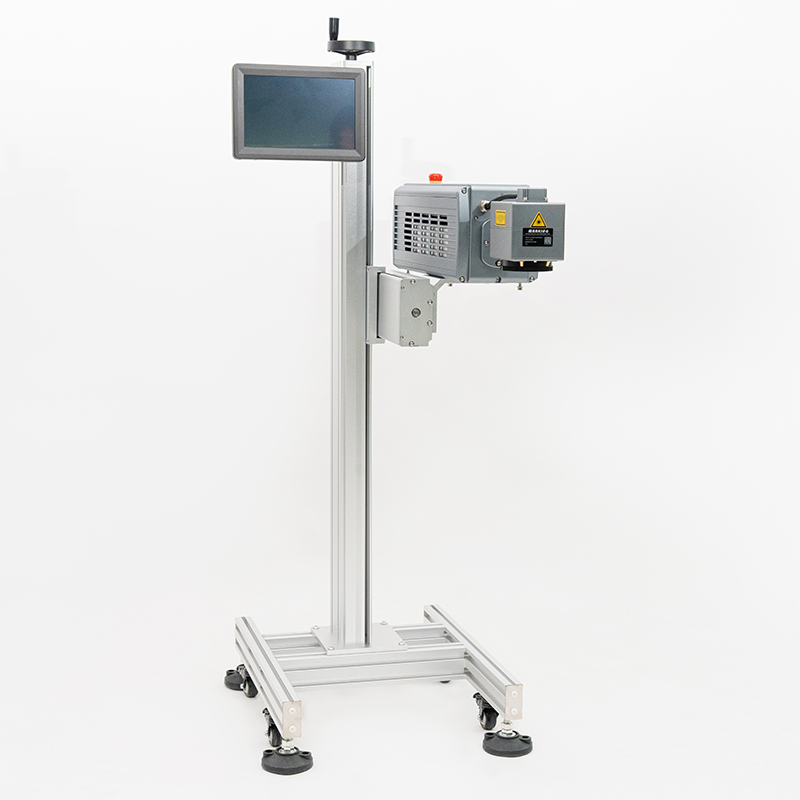
In industrial marking, precision is everything, and a properly calibrated CO2 laser marking machine is the foundation of consistent, clear, and durable marks. With years of hands-on experience supporting production lines across packaging, food, electronics, and wood industries, I have seen that uncalibrated machines cause blurry text, inconsistent depth, misaligned patterns, and material waste. Leading laser engineering authorities confirm that regular calibration maintains marking accuracy within ±0.01 mm, extends laser tube life, and reduces downtime significantly. Our CO2 laser marking machine is designed for high-precision industrial use, but even the most robust equipment requires periodic calibration to perform at its best. Calibration is not a optional task; it ensures every mark meets quality standards, protects your brand reputation, and maximizes return on investment.
Pre-Calibration Preparation for CO2 Laser Marking Machine
Before starting calibration, proper preparation ensures safe, accurate, and effective results. First, turn on the machine and run it for 10 to 15 minutes to reach stable working temperature, as thermal stability directly affects optical accuracy. Clean all optical components, including reflectors and focusing lenses, with professional lens paper and optical alcohol to remove dust, smoke, or oil stains; dirty lenses cause energy loss and inaccurate focusing. Check the cooling water level and quality to prevent overheating. Inspect the worktable, fixture, and laser head for any looseness or damage. Our CO2 laser marking machine includes user-friendly indicators and a full set of maintenance tools to simplify preparation. Taking these steps avoids errors and ensures calibration proceeds smoothly.
Optical Path and Focus Calibration for CO2 Laser Marking Machine
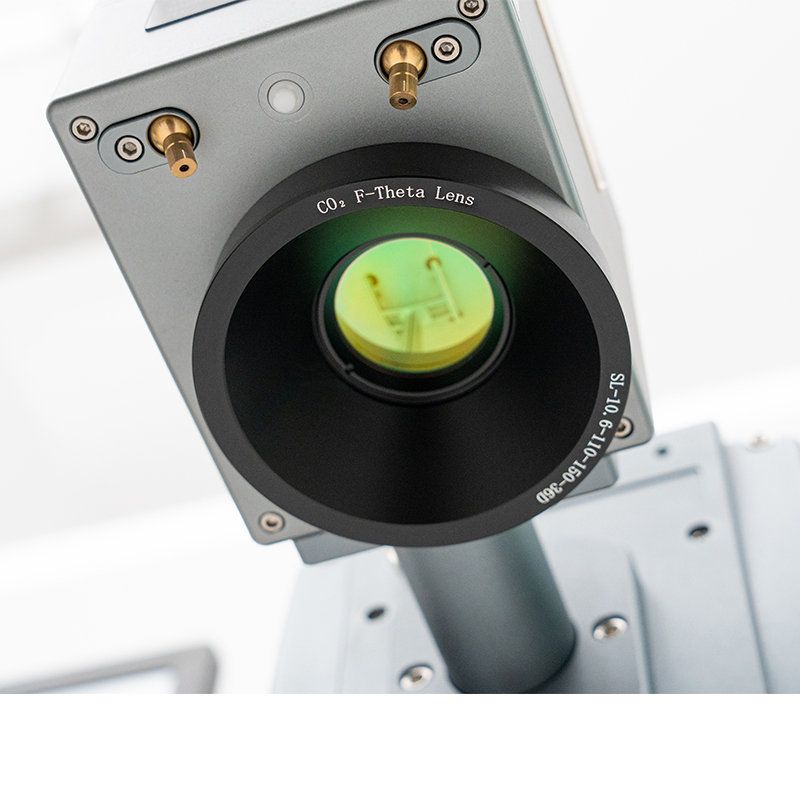
Optical path and focus calibration are the most critical steps for precision marking. First, perform optical path calibration to ensure the laser beam travels straight and centered through each mirror and lens. Adjust the mirror mounts as needed until the beam is aligned. Next, calibrate the focal length by moving the laser head up and down while testing marks on sample material; find the position where the spot is smallest and the mark is sharpest. This position is the optimal focal point. Use calibrated test plates to verify marking size and position accuracy. Our CO2 laser marking machine uses high-quality optical components and stable beam transmission, making calibration more efficient and long-lasting. Correct optical calibration ensures consistent energy output and sharp, uniform marks on every product.
Software Parameter and Positioning Calibration
Software and positioning calibration ensure that what you design matches what you mark. Open the marking software and confirm that settings such as laser power, scanning speed, pulse frequency, and line spacing match the material requirements. Calibrate the coordinate system and origin position to avoid offset or distortion. Use standard test patterns to check for size errors, then adjust correction parameters in the software until accuracy is achieved. Our CO2 laser marking machine comes with intuitive, professional software that supports one-key calibration, parameter locking, and batch marking modes. This simplifies operation and reduces human error. Proper software calibration ensures pattern integrity, text clarity, and stable repeatability for mass production.
Post-Calibration Verification and Long-Term Maintenance Tips
After calibration, comprehensive verification confirms that the CO2 laser marking machine meets precision standards. Run continuous marking tests on actual production material and check clarity, alignment, depth, and repeatability. Measure marked dimensions with precision tools to ensure compliance with tolerance requirements. Establish a regular calibration schedule based on operating hours and production demands; most high-volume applications benefit from weekly checks and monthly full calibration. Our company provides detailed calibration guides, video tutorials, and 24/7 technical support to help users maintain peak performance. With CE, FDA, and RoHS certifications, our CO2 laser marking machine delivers reliable, long-term precision when calibrated properly. Regular calibration keeps your marking process stable, efficient, and cost-effective for years.