 EN
EN

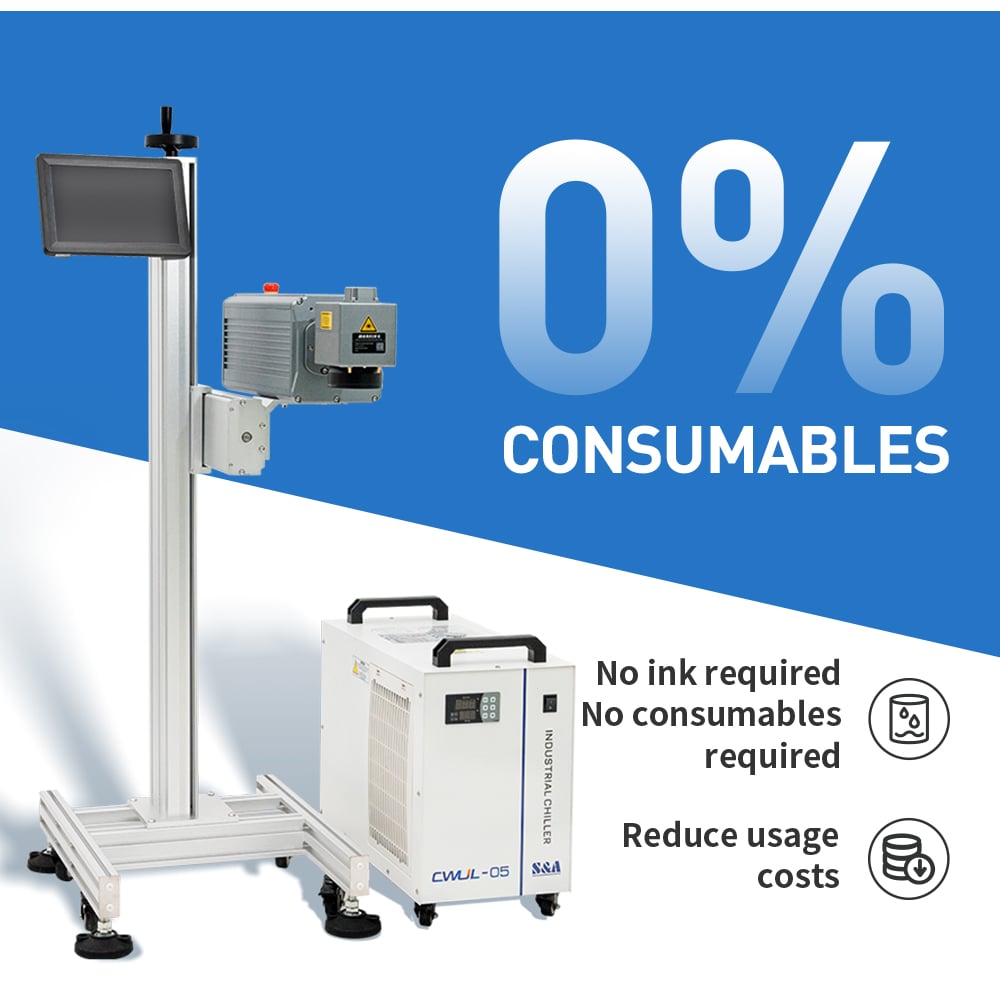
Embracing Cold Photoelectric Processing for Modern Organic Substrates
During my early career managing an advanced cleanroom assembly line for medical components, our team wrestled constantly with traditional thermal printing methods. We were attempting to add high-density traceability matrix codes onto ultra-thin silicon wafers and flexible polyimide circuits, but the aggressive infrared thermal energy kept warping the delicate layers, leaving us with charred edges and a frustrating forty percent reject rate. This costly manufacturing bottleneck vanished completely when we integrated a professional uv laser setup into our automated material processing lines. That invaluable factory floor experience proved that processing heat-sensitive materials requires moving away from heavy thermal melting. High-precision industries need non-contact, ultraviolet cold processing to achieve permanent markings without altering structural traits, proving that proper beam selection is the true backbone of scaling up micro-manufacturing workflows.
The Molecular Chemistry of Ultraviolet Surface Disruption
Achieving flawless marking contrast on organic materials requires a deep dive into quantum electrodynamics and molecular bond kinetics. A high-performance uv laser machine outputs an ultra-short wavelength of three hundred and fifty-five nanometers, generating high-energy ultraviolet photons that break chemical bonds directly. Photonic science studies explain that unlike standard gas discharge or near-infrared beams that burn the surface, this short-wave energy utilizes a unique process called cold ablation. Because the energy transfer occurs almost instantaneously on a microscopic scale, the heat-affected zone is virtually non-existent, stopping thermal degradation before it can deform the substrate. This specialized mechanism allows operators to engrave beautiful markings onto sensitive items like white polymers, delicate glass panes, and complex composite resins without creating stress fractures.
Exploding the Material Versatility Matrix Across Technical Polymers
From a practical production manager perspective, knowing the full material compatibility of your short-wave processing setup directly optimizes your hardware capitalization and line flexibility. While a premium uv laser solution is celebrated for its incredible clarity on micro-electronics, it performs brilliantly across a massive spectrum of everyday non-metal substrates. Production specialists frequently utilize this technology to modify high-density polyethylene, transparent acrylics, synthetic rubber, and multi-layer packaging films used in consumer goods. The rapid movement of internal scanning mirrors ensures that each pulse creates a dark, high-contrast photochemical color change deep inside the substrate matrix without causing the unseemly surface melting, bubbling, or peeling that often ruins products under older thermal engraving designs.
Meeting Rigorous Global Technical Controls and Workplace Compliance
In the highly competitive world of international manufacturing and cross-border component sourcing, clear serialization is directly tied to strict legal compliance and consumer safety. Deploying a uv laser network across international manufacturing centers demands total adherence to global quality protocols, including European Conformity standards and OSHA optical workplace safety guidelines. Advanced industrial laser safety consultants emphasize that because ultraviolet radiation is completely invisible to the human eye, the working enclosure must incorporate secure interlocking doors and specialized viewing windows rated for maximum optical density. Selecting a processing partner that builds hardware with integrated positioning sensors, emergency shutoffs, and cleanroom-compatible fume extraction ports ensures your factory floor easily passes international inspections while maintaining zero downtime.
Optimizing Factory Throughput and Driving Enterprise Trust
At the end of the day, investing in top-tier short-wavelength light hardware is a strategic financial choice that directly elevates your long-term production yield and brand reputation. Achieving flawless contrast and permanent micro-readability prevents costly packaging rejection cycles, reduces raw material scrap expenses, and guarantees that your products remain fully traceable across their commercial lifespan. This level of technical dependability is exactly why modern high-tech manufacturers can secure lucrative global distribution agreements and scale their daily operations smoothly. By anchoring your automated factory infrastructure with a reliable, safe, and highly efficient uv laser framework, your organization can confidently satisfy zero-defect quality benchmarks and build an unshakeable international reputation for premium manufacturing execution.
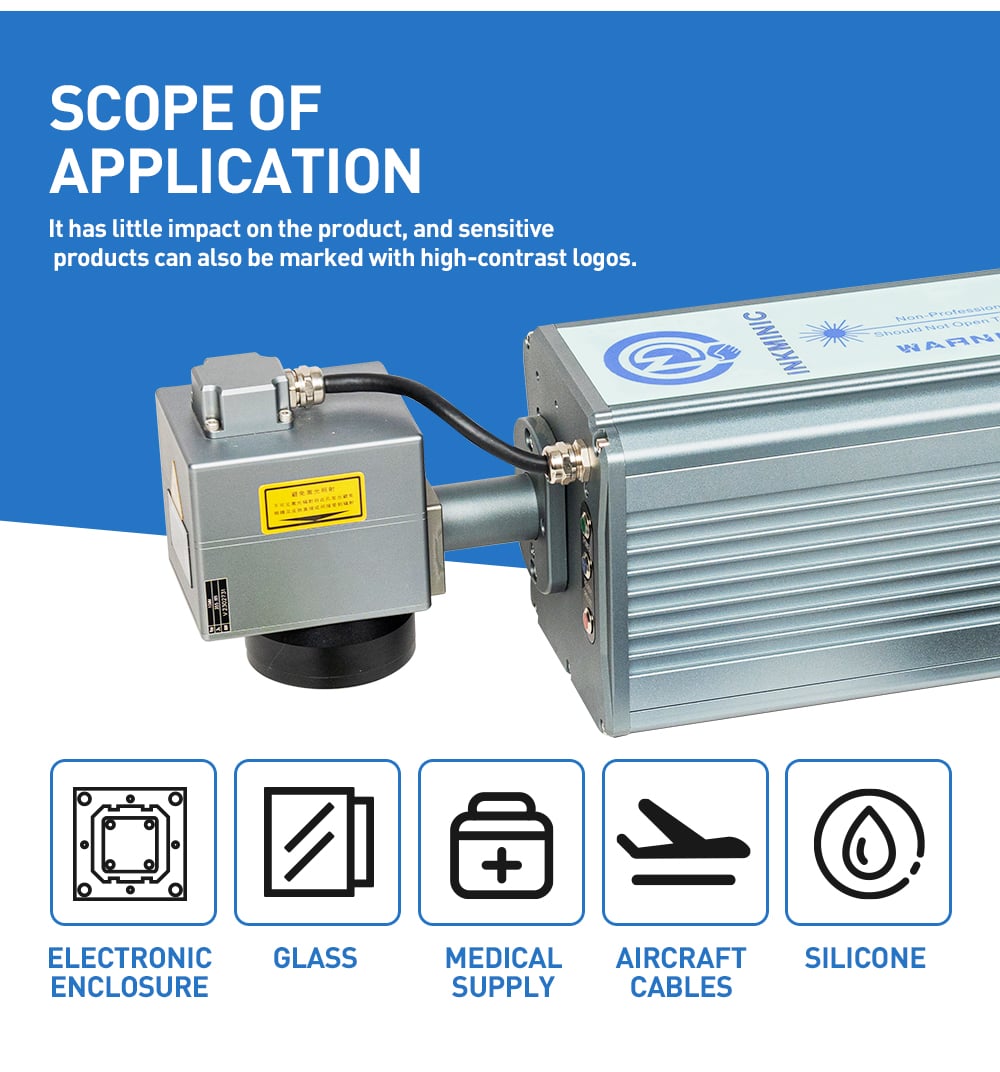
Table of Contents
- Embracing Cold Photoelectric Processing for Modern Organic Substrates
- The Molecular Chemistry of Ultraviolet Surface Disruption
- Exploding the Material Versatility Matrix Across Technical Polymers
- Meeting Rigorous Global Technical Controls and Workplace Compliance
- Optimizing Factory Throughput and Driving Enterprise Trust