 EN
EN

Overcoming the Challenges of High Volume Metal Coding in Modern Production
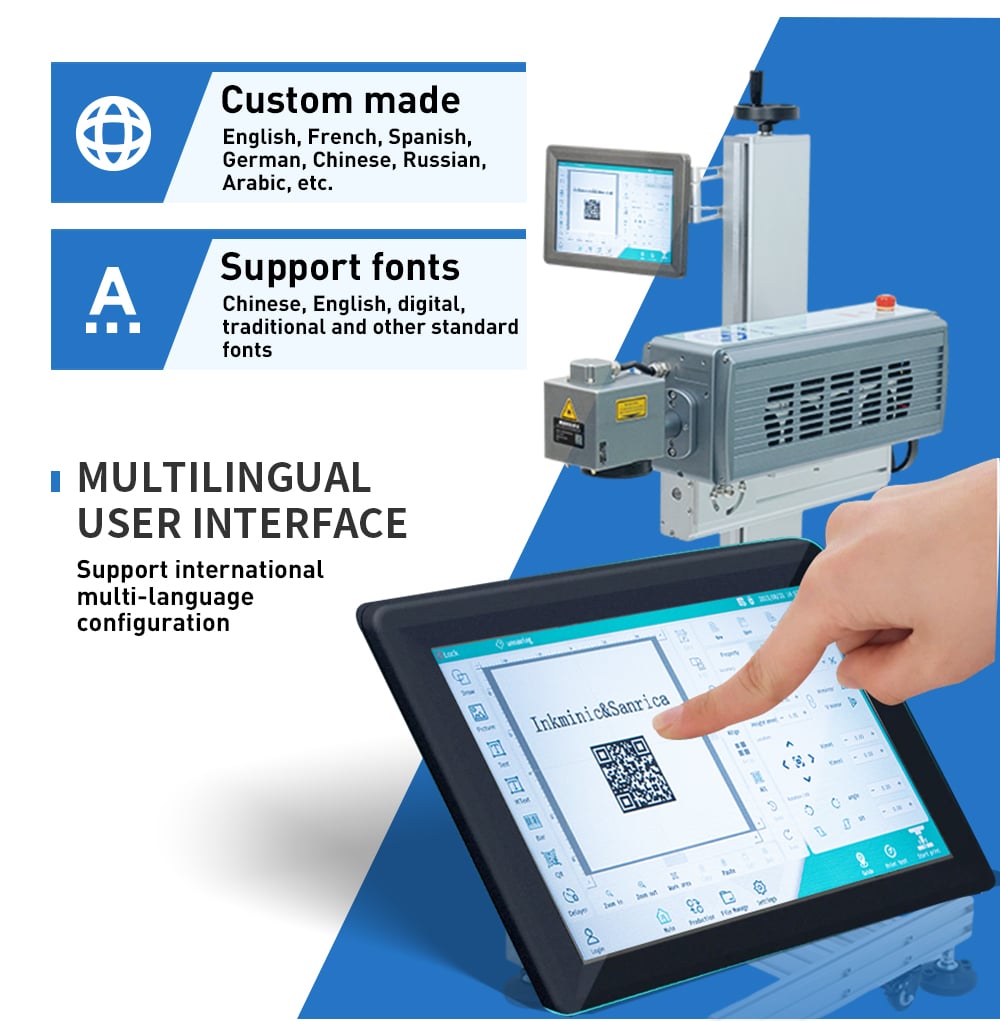
When I was managing the mechanical asset tracking workflow for a fast growing automotive component plant, our team constantly fought with traditional dot peen marking systems. The mechanical pins wore down weekly, causing faded serial numbers on heavy iron castings that failed our strict quality control inspection protocols. This expensive bottleneck disappeared when we integrated an industrial fiber laser engraving machine into our primary assembly lines. That hands on experience taught me that when you are handling high density industrial substrates, you cannot rely on contact based tool heads that degrade under structural stress. Modern manufacturing environments demand non contact, high speed thermal alteration to achieve permanent identification. Transitioning our factory inventory tracking to a dedicated solid state light path completely saved our lead times and proved that proper wavelength matching is the absolute backbone of scaling up automated hardware decoration.
The Physical Engineering of Near Infrared Absorbance on Metallic Surfaces
Achieving deep permanent marks on raw materials requires a thorough understanding of material science and optical absorption spectrums. A premium fiber laser engraving machine operates at a specialized near infrared wavelength of one thousand and sixty four nanometers, which is ideally absorbed by conductive metal surfaces. Metallurgical research indicates that when this concentrated beam hits a target like anodized aluminum, stainless steel, brass, or carbon steel, it instantly melts and vaporizes the surface molecules through localized thermal excitation. Because the energy density is so tightly focused, it allows operators to execute high contrast annealing, ablation, or deep carving without introducing structural deformities to the surrounding metal matrix. This optical precision makes near infrared hardware the industry standard for marking heavy equipment components, aerospace fasteners, and medical instruments that undergo harsh serialization tests.
Expanding Operational Boundaries Across Diverse Technical Substrates
From a practical factory management and engineering perspective, understanding the full material compatibility of your processing hardware directly optimizes your machine capitalization. While a high performance fiber laser engraving machine is universally celebrated for its unmatched speed on dense metals, it also delivers incredible results on specialized non metallic materials. Production line specialists frequently utilize this technology to modify high density engineering plastics, such as ABS, polycarbonates, and matte polyamides, which are common in electrical enclosures and consumer electronics manufacturing. The fast galvo mirror movement ensures that the thermal pulse induces a clean chemical color change within the polymer matrix without causing the melted edges or unseemly bubbling that often happen with older gas discharge systems, making it a highly versatile asset for multi material product lines.
Meeting Rigorous Quality Certification Controls for Global Hardware Distribution
In the highly competitive world of international industrial sourcing and global supply chains, product marking clarity is tied directly to legal compliance and brand protection. Deploying a fiber laser engraving machine across international manufacturing hubs demands strict adherence to global safety protocols, including European Conformity standards and OSHA eye safety guidelines. Advanced optical safety consultants emphasize that because near infrared radiation is completely invisible to the human eye, the marking station should ideally utilize enclosed configurations or specialized shielding to block diffuse reflections. Choosing an industrial partner that engineers hardware with integrated positioning sensors, emergency stop systems, and cleanroom compatible exhaust channels ensures your factory floors easily pass international trade safety audits, protecting your technical team while maintaining uninterrupted operational uptime.
Driving Maximum Factory Yield and Enhancing Enterprise Asset Protection
At the end of the day, investing in top tier solid state marking technology is a strategic financial choice that directly elevates your long term production throughput and client satisfaction metrics. Achieving flawless contrast and permanent readability prevents costly part rejection cycles, reduces raw material scrap costs, and ensures your products remain fully traceable throughout their entire commercial life. This high level of technical dependability is exactly what allows modern contract manufacturers to secure lucrative global supply agreements and scale their daily output smoothly. By anchoring your automated factory setup with a reliable, safe, and highly efficient solid state processing framework, your organization can confidently meet zero defect quality standards and build an unshakeable global reputation for premium manufacturing execution and component traceability.
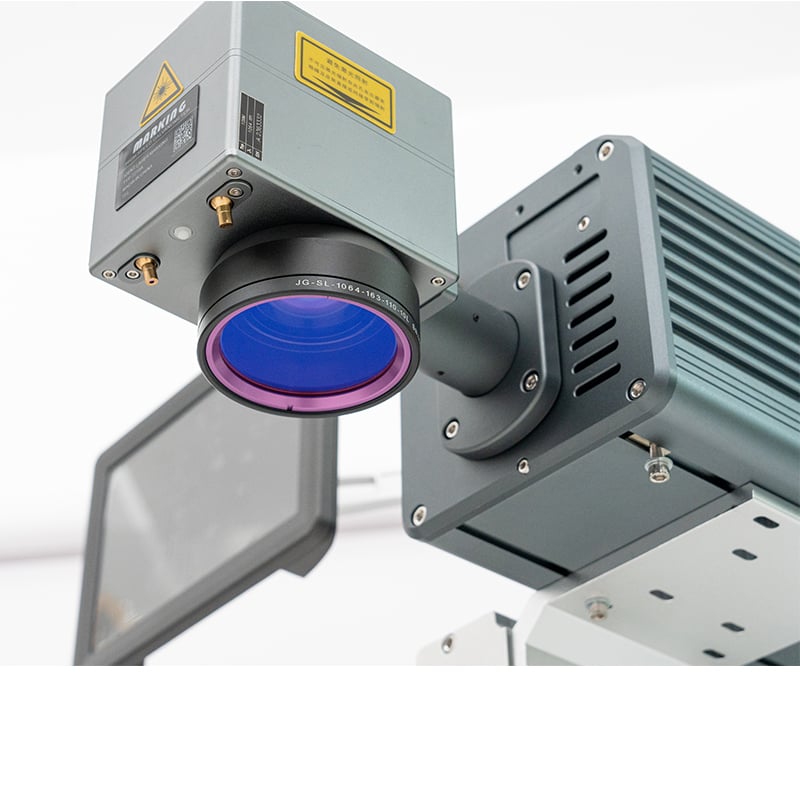
Table of Contents
- Overcoming the Challenges of High Volume Metal Coding in Modern Production
- The Physical Engineering of Near Infrared Absorbance on Metallic Surfaces
- Expanding Operational Boundaries Across Diverse Technical Substrates
- Meeting Rigorous Quality Certification Controls for Global Hardware Distribution
- Driving Maximum Factory Yield and Enhancing Enterprise Asset Protection