 EN
EN

Precision Challenges in Electronic Shell Marking
In the fast-moving electronics industry, product designs keep getting sleeker, thinner, and lighter. Electronics manufacturers are constantly dealing with challenging materials, working with everything from engineered thermoplastics to ultra-thin aluminum shells. Marketers, engineers, and assembly leads face a shared bottleneck on the production line: putting crisp, permanent identification marks onto delicate outer covers. Traditional marking setups like pad printing or inkjet systems often cause major headaches down the road. Solvent-based inks tend to rub off easily when exposed to daily wear and sweat, and printheads regularly clog up during production runs. Meanwhile, conventional high-heat lasers can easily warp thin plastic panels or leave charred, ugly marks. Getting sharp, durable text and micro-barcodes onto modern enclosures means moving away from thermal processing and embracing cold-light laser marking.
The Photochemical Precision of Cold UV Laser Marking
The main advantage of ultraviolet laser technology comes down to its 355nm short wavelength, which relies on a photochemical reaction rather than raw heat. Often called cold processing, this technology uses high-energy ultraviolet photons to break material chemical bonds directly at the microscopic level. Instead of burning or melting the target area, the material transitions cleanly from solid to vapor with almost zero heat transference to nearby surfaces. Industrial laser engineers favor this short wavelength because it focuses down to an extremely fine spot size, allowing for incredibly sharp detail. When working on sensitive electronic covers made of polycarbonate, ABS, or specialized flame-retardant resins, UV marking machines produce sharp, high-contrast dark marks without melting the surface texture, cracking plastic structures, or damaging internal circuit boards.
Optimizing Material Compatibility Across Enclosure Plastics and Metals
Modern electronic housings use a huge range of materials, and every single substrate reacts differently to light energy. Popular plastics like ABS, PC, and nylon are packed with custom color pigments and flame retardants that need precise light control to yield clean contrast. Cold UV systems excel at modifying surface pigments at the micro-layer without penetrating protective topcoats or weakening the structural housing. On metals like anodized aluminum or specialized alloy casings, ultraviolet lasers create crisp, darkened contrast marks without stripping away protective surface coatings. Keeping that top layer intact preserves water resistance, dust protection, and overall IP-rating seals. This gentle yet permanent surface reaction makes cold ultraviolet lasers the ideal choice for high-end smartphones, wearable tech, and smart home hardware.
Ensuring Traceability Compliance and High-Speed Line Integration
Global electronics markets demand total product traceability across every step of the supply chain. Factory floors need to print clear regulatory logos alongside microscopic 2D DataMatrix codes for automated inventory tracking. Quality standards dictate that these tiny codes remain fully scannable throughout the entire life of the device. High-performance UV laser systems easily etch crisp, dense 2D codes into spaces smaller than a fingernail, easily meeting strict optical readability grades. Designed to drop right into fast-paced assembly environments, these marking systems pair fast galvo scanners with smart vision positioning tools to offset minor placement shifts on fast-moving conveyor belts. This smooth inline operation guarantees steady, high-volume production output without slowing down factory floor line speeds.
Maximizing Operational Profits and Green Manufacturing Goals
Switching over to ultraviolet laser marking brings huge operational savings for high-volume electronics plants. Doing away with ink cartridges, solvents, cleaning fluids, and replacement printheads removes a massive layer of ongoing consumable expenses while cutting down on hazardous chemical waste. Because laser systems mark surfaces without touching them, physical tool wear is zero, and routine line maintenance drops down to quick lens cleaning. When factoring in lower scrap rates, zero consumable purchasing costs, and low power usage compared to heavy thermal equipment, plant managers can recoup capital investments quickly while bringing factory operations into line with modern green manufacturing and waste reduction goals.
Elevating Electronic Manufacturing with Inkminic Laser Solutions
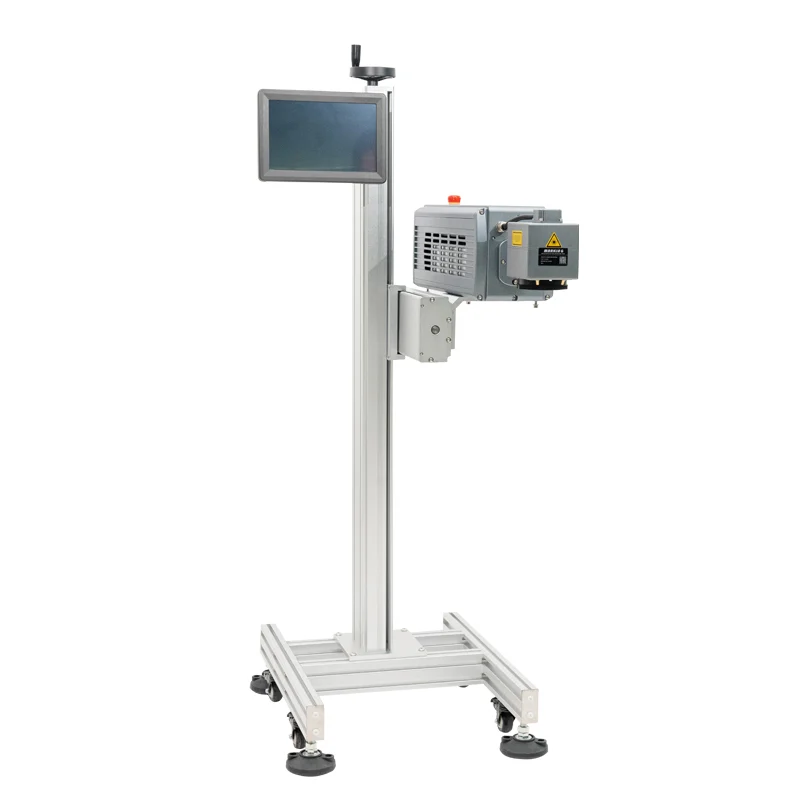
Achieving flawless surface aesthetics, smooth inline integration, and dependable long-term marking performance requires a specialized industrial technical partner. As a dedicated provider of industrial marking and coding systems, Inkminic delivers complete marking solutions built for the strict standards of the electronics sector. Operating advanced laser testing facilities and robust control system architectures, Inkminic builds high-precision UV laser equipment capable of handling complex casing shapes and sensitive polymer blends. Supported by extensive material application testing, custom line integration support, and reliable global supply chain services, Inkminic helps electronics manufacturers streamline factory operations and elevate end-product quality with total commercial confidence.
Table of Contents
- Precision Challenges in Electronic Shell Marking
- The Photochemical Precision of Cold UV Laser Marking
- Optimizing Material Compatibility Across Enclosure Plastics and Metals
- Ensuring Traceability Compliance and High-Speed Line Integration
- Maximizing Operational Profits and Green Manufacturing Goals
- Elevating Electronic Manufacturing with Inkminic Laser Solutions