 EN
EN

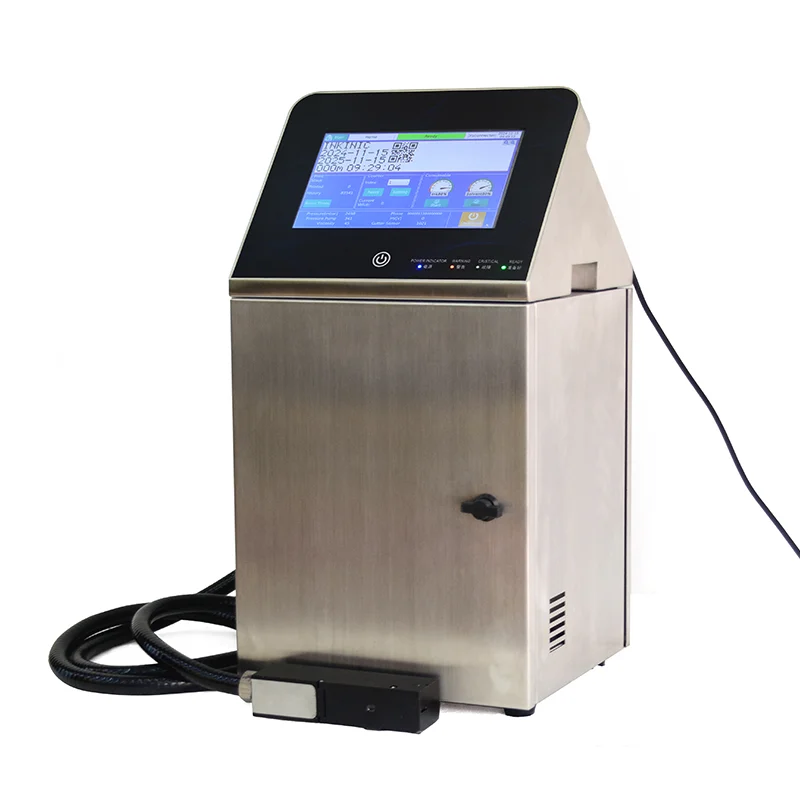
Understanding the Common Causes of Fluid Leaks in Industrial CIJ Printers
Maintaining smooth, uninterrupted operations on high-speed industrial packaging and manufacturing lines requires absolute reliability from coding and marking equipment. When operating a continuous inkjet system, commonly referred to as a cij printer, encountering an unexpected ink leakage can severely disrupt the workflow, stain product packaging, and create unnecessary maintenance downtime. Based on practical manufacturing maintenance and equipment engineering experience, fluid leakage within a cij printer rarely occurs without a distinct root cause. Typically, it stems from localized pressure imbalances within the complex internal fluid circuit, loose ink tube fittings, degraded O-rings or seals, or improper viscosity regulation during high-throughput cycles. In modern industrial environments where a cij printer is expected to operate continuously under demanding conditions, microscopic mechanical vibrations can gradually loosen internal dampeners, valves, or quick-disconnect connectors over time. Recognizing these vulnerabilities early allows plant maintenance technicians to address minor component wear before it escalates into messy fluid spills, electrical short circuits, or complete system failures.
Inspecting Internal Fluid Lines and Connector Seals Thoroughly
Conducting a systematic, step-by-step inspection of internal fluid pathways is the most direct and effective approach to resolving and preventing fluid loss in coding equipment. In many standard industrial setups, a reliable cij printer relies on an intricate network of flexible tubing, inline filters, and secure fittings to pump specialized solvent and ink mixtures efficiently toward the printhead assembly. Over extended operational cycles, the combination of constant fluid pressure and environmental thermal shifts can cause rubber, PTFE, or silicone tubing to degrade near connector joints. Technicians should carefully examine the ink reservoir compartment, internal pump connections, and the umbilical cord protective sheath for any visual signs of weeping, residue, or dampness. Tightening loose fittings or replacing worn-out sealing gaskets often resolves minor leaks instantly and restores hydraulic pressure. Furthermore, ensuring that proper-grade, manufacturer-approved replacement parts are utilized helps maintain the original hydraulic integrity designed into modern cij printer hardware, preventing recurring leaks caused by subpar or mismatched components.
Managing Auto-Viscosity Control and System Pressure Balance
Improper internal fluid pressure and faulty viscosity management can inadvertently force ink past standard dynamic seals, resulting in unwanted pooling inside the printer housing or printhead enclosure. Advanced industrial models feature automated viscosity control and smart pressure regulation designed to keep fluid delivery remarkably stable during high-speed printing. If the fluid viscosity drifts outside optimal parameters—often due to sudden environmental temperature changes in the factory or using incorrect makeup solvents—the internal hydraulic pump compensates by altering internal pressure levels. This undesirable fluctuation can stress return gutters, recovery vacuum lines, and nozzle assemblies in a cij printer, causing ink to overflow rather than cleanly recirculate back into the system. Regularly calibrating the electronic ink viscosity sensors, thoroughly cleaning the printhead faceplate, and keeping the ink return gutter completely clear of dried ink buildup will stabilize fluid dynamics and stop pressure-induced leakage effectively.
Implementing Routine Preventive Maintenance Schedules and Protocols
The long-term prevention of fluid leakage relies heavily on disciplined, scheduled maintenance routines rather than reactive, emergency repairs. Factory operators and maintenance engineers should establish strict weekly and monthly checklist protocols dedicated to cleaning internal fluid modules, inspecting main filter blocks, and checking ink recovery vacuum performance. Even a robust and heavy-duty cij printer requires periodic professional servicing to clear microscopic ink residue that naturally accumulates around solenoid valves, pressure regulators, and dampening components over months of heavy use. Training line operators to spot early warning signs—such as faint solvent odors around the cabinet, minor droplet accumulation on the printhead shell, or unusual pump operating noise—ensures quick technical intervention. By combining daily visual checks with structured preventive upkeep, manufacturing plants can maximize equipment uptime, protect production efficiency, and keep every operating cij printer running cleanly, safely, and reliably across all shifts.