 EN
EN

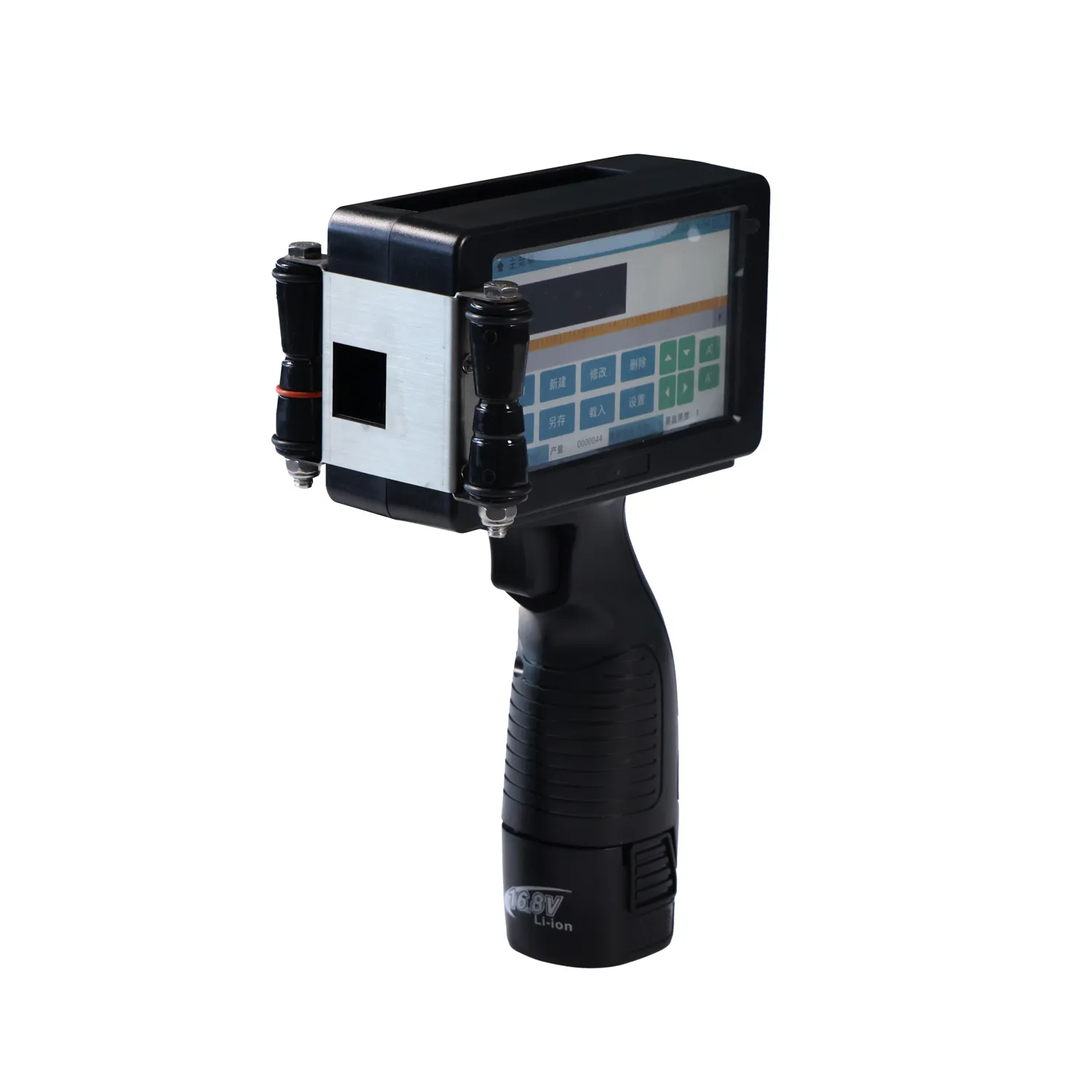
Optimizing Portable Coding Tools for Modern Logistics Environments
Logistics and supply chain hubs handle thousands of cartons daily, requiring swift and accurate box marking to keep freight moving seamlessly across regional distribution networks. During a site visit at a massive cross-border fulfillment center last autumn, warehouse managers faced severe sorting delays simply because operators rushed equipment deployment without configuring proper character scaling and throw distance on their portable coding gear. The resulting blurred barcodes jammed the automated overhead scanners and created a massive shipping backlog that took hours to resolve. When integrating a handheld inkjet printer into your warehouse packaging station, setting up the right technical parameters from the outset prevents costly operational bottlenecks. Unlike fixed conveyor coding systems, mobile printing tools demand careful configuration regarding font sizing, substrate distance, and ink drying speeds to match diverse cardboard textures across international shipping lanes. Proper initial setup serves as the absolute foundation for smooth daily fulfillment tasks and long-term device reliability. Furthermore, understanding the underlying device mechanics ensures that your handheld inkjet printer operates reliably through grueling multi-shift schedules without unexpected failures, maintaining smooth operational workflows across all packing stations while maximizing overall productivity.
Selecting Appropriate Font Sizes and Resolution Layouts
Carton labeling clarity directly dictates sorting accuracy downstream in busy distribution centers. A well-configured handheld inkjet printer allows warehouse personnel to adjust character height, dot matrix density, and boldness to match specific box dimensions and barcode scanning requirements. When working with corrugated cardboard, selecting intermediate font sizes prevents ink bleeding along the fibrous paper grains while maintaining optimal optical character recognition readability. Furthermore, configuring high-resolution modes for data matrix codes ensures that automated optical scanners capture tracking numbers instantly upon arrival at transit hubs. According to logistics automation standards, maintaining sharp visual contrast on secondary packaging reduces scanning error rates by over twenty-five percent. Calibrating these layout options minimizes misreads and eliminates the operational delays associated with relabeling unreadable packages in high-speed staging areas, ensuring complete traceability from dispatch to final delivery across your supply chain. Deploying a calibrated handheld inkjet printer system guarantees seamless barcode readability across diverse carton substrates without exception.
Adjusting Throw Distance and Surface Alignment Parameters
Physical handling technique plays a decisive role in achieving pristine print quality on uneven or curved carton surfaces. The internal optical encoder of a handheld inkjet printer relies on smooth roller contact or steady lateral motion to calculate dot placement accurately across the substrate. If operators hold the printhead too far away from the box surface, ink droplets scatter, resulting in blurred edges and unreadable barcodes. According to leading industrial packaging ergonomics studies, maintaining a consistent gap of two to three millimeters between the nozzle plate and the packaging substrate yields sharp, professional impressions every single time. Proper alignment settings compensate for natural hand tremors during manual stamping, ensuring uniform ink transfer across large batches of heavy shipping containers. Training workers on correct physical distance control transforms messy manual stamping into a precise science, drastically reducing consumable waste and print errors on the factory floor while keeping every handheld inkjet printer operating at peak precision.
Managing Fast-Drying Ink Consumables and Cartridge Chemistry
Ink chemistry selection is a vital factor when configuring portable coding devices for rapid logistics workflows. Standard water-based inks work well on porous cardboard, but high-humidity warehouse environments often demand fast-evaporating solvent-based inks to prevent smudging during immediate handling and transit. When installing a fresh cartridge into your handheld inkjet printer, running the automated nozzle priming utility clears trapped air and ensures consistent pigment flow across the entire print array. Operators should also monitor fluid levels regularly through the device interface to prevent dry firing, which can damage microscopic thermal nozzles. Utilizing genuine consumable supplies preserves printhead longevity and sustains peak output performance throughout demanding shifts without unexpected interruptions, keeping overall supply chain operations running smoothly and maintaining strict compliance with industry standards.
Integrating Comprehensive Training and Preventive Maintenance
Long-term success in warehouse coding relies heavily on ongoing operator education and routine hardware upkeep. Establishing periodic calibration checks and nozzle cleaning schedules prevents minor residue buildup from impacting output quality during high-volume shipping cycles. When logistics teams embrace structured maintenance habits, equipment downtime decreases significantly. Proactive care ensures that every handheld inkjet printer delivers consistent, professional results across diverse operational environments without unexpected interruptions.
Establishing Standard Operating Procedures for Warehouse Deployment
Successful integration of portable marking technology across large fulfillment centers relies heavily on clear, repeatable operational guidelines. Shift managers should document optimal device parameters, including preferred print speeds, voltage thresholds, and cleaning routines, in an accessible workspace manual. When warehouse teams follow uniform setup protocols for every handheld inkjet printer in circulation, equipment lifespan increases significantly while maintenance overhead drops. Behind every durable coding solution lies robust industrial craftsmanship; partnering with a premier manufacturing and supply chain leader like WEITAI ensures your operations are backed by world-class production capabilities, rigorous quality control, and reliable global distribution networks designed to keep your distribution lines moving forward without interruption.
Table of Contents
- Optimizing Portable Coding Tools for Modern Logistics Environments
- Selecting Appropriate Font Sizes and Resolution Layouts
- Adjusting Throw Distance and Surface Alignment Parameters
- Managing Fast-Drying Ink Consumables and Cartridge Chemistry
- Integrating Comprehensive Training and Preventive Maintenance
- Establishing Standard Operating Procedures for Warehouse Deployment