 EN
EN

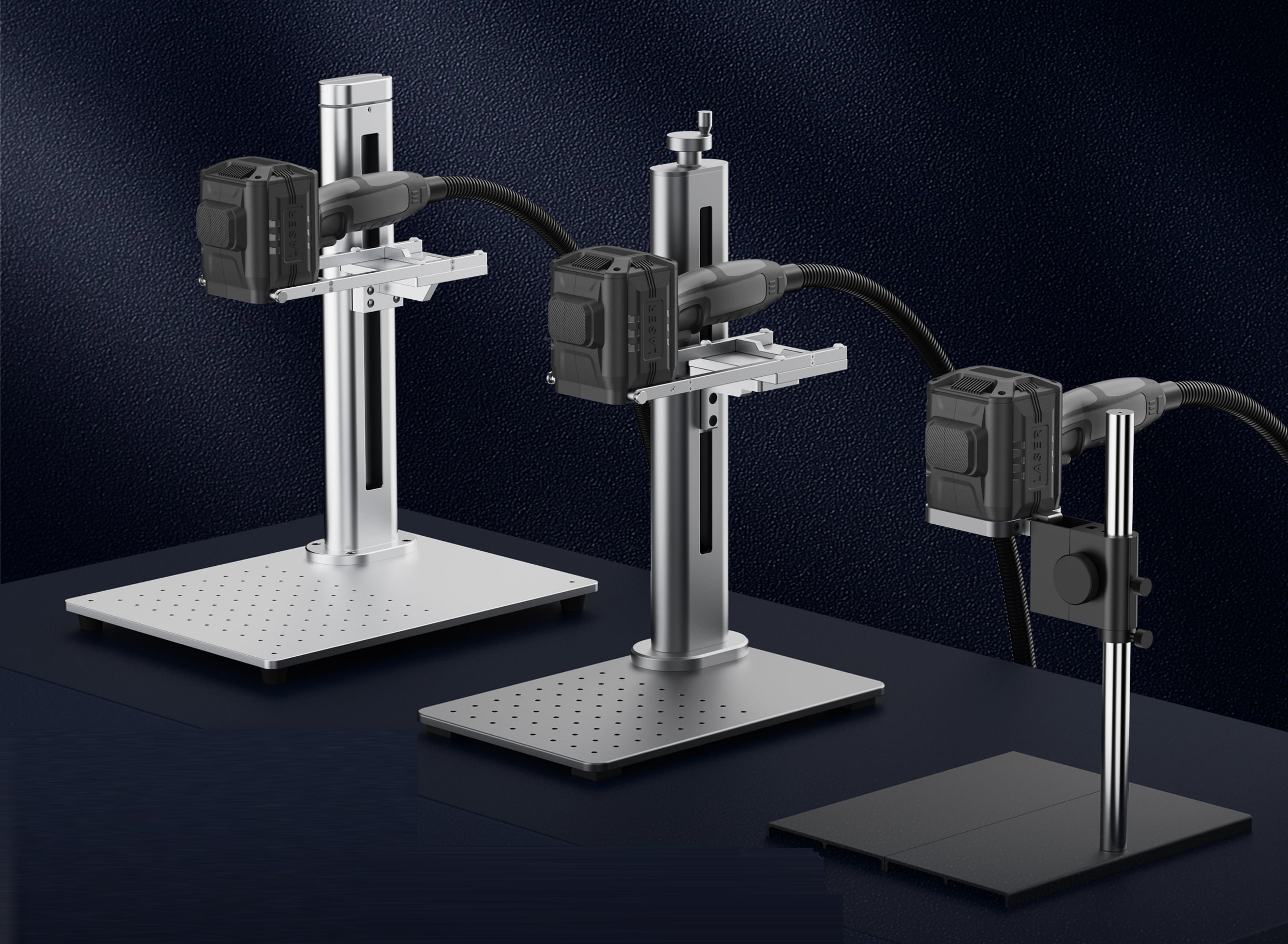
For manufacturers, system integrators, and industrial coding buyers, choosing the right fiber laser marker is not simply about selecting a machine with a certain power level. It is a decision that affects code quality, production speed, traceability compliance, maintenance cost, and long-term line efficiency.
In modern manufacturing, coding must do more than place a visible mark on a product. It often needs to deliver permanent identification, high-contrast readability, stable traceability, and consistent performance across demanding production schedules. That is why fiber laser marking has become a preferred solution in industries such as electronics, automotive, metal processing, hardware, packaging, and precision manufacturing.
This guide explains the key factors B2B buyers should consider when selecting a fiber laser marker for industrial coding.
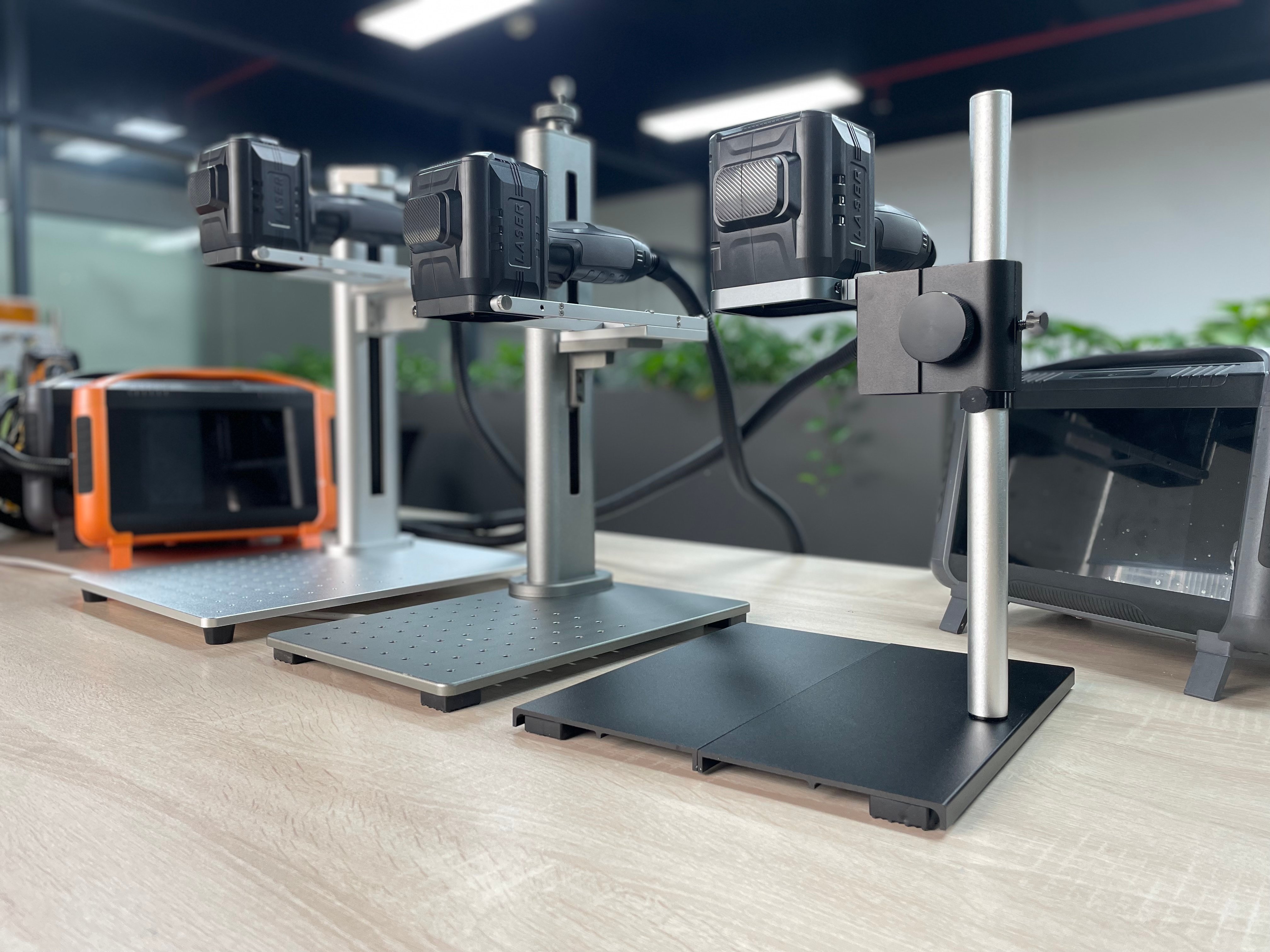
1. Start with the Material You Need to Mark
The first step in choosing a fiber laser marker is understanding the substrate. Different coding technologies perform differently depending on whether the target material is metal, plastic, ceramic, coated surfaces, or treated industrial components.
Fiber laser marking is widely used for permanent, high-contrast marking on materials such as metal, plastic, and ceramics. This matters because material compatibility directly influences mark quality, contrast, coding speed, and overall system suitability.
Before choosing a machine, buyers should confirm:
- What material needs to be marked
- Whether the surface is bare, coated, painted, or treated
- Whether the code is for branding, traceability, serial numbering, or compliance
- Whether the mark must remain readable after handling, transport, or further processing
Material suitability should always be the first filter in the machine selection process.
2. Define the Coding Requirement Clearly
Not all industrial coding applications are the same. Some manufacturers need simple batch or date coding, while others require high-resolution text, barcodes, QR codes, serial numbers, logos, or permanent traceability data.
For many B2B buyers, the right machine depends not only on what is being marked, but also on what the mark needs to achieve. In practice, buyers should define:
- Content type
- Required mark permanence
- Readability expectations
- Character size
- Marking area
- Production line speed
- Whether the code will need to be scanned later
Fiber laser markers are often selected because they provide permanent coding and strong contrast on suitable industrial materials. For traceability-driven production, this is a major advantage over technologies that rely on consumables or only surface-level printing.
3. Pay Attention to Precision and Mark Quality
Poor mark quality can create problems in scanning, product identification, brand presentation, and downstream traceability. This is especially important in electronics, automotive parts, hardware, and high-value metal components where code clarity matters.
Inkminic’s fiber laser solutions emphasize high-precision marking, including accuracy down to 0.01 mm on relevant applications. For B2B buyers, this level of precision supports:
- Fine character marking
- Small-part coding
- Barcode and QR code readability
- Cleaner product identification
- More professional appearance on finished components
When comparing machines, buyers should evaluate whether the system can deliver the required marking quality under actual production conditions, not just whether it can generate a visible mark.
4. Speed Matters in High-Volume Production
In many industrial environments, coding equipment must keep up with continuous or semi-automated production lines. A system that produces accurate marks but slows down output may create a bottleneck.
Fiber laser markers are often chosen because they can support efficient coding while maintaining mark permanence and clarity. Inkminic’s product positioning also emphasizes faster throughput, which is relevant for buyers working in high-output manufacturing environments.
Important questions include:
- What is the expected line speed?
- Is the marking process static or integrated online?
- How complex is the content being marked?
- Does the machine need to support continuous operation?
- Will coding speed affect total line efficiency?
In industrial coding, speed is not just a machine feature. It is a productivity factor.
5. Evaluate Lifespan and Maintenance Expectations
Industrial buyers should assess long-term stability, not only purchase price. Coding equipment often runs in demanding environments where downtime directly affects delivery schedules and production output.
Fiber laser systems are attractive because they can offer long service life and reduced maintenance compared with consumable-based coding methods. Inkminic’s fiber laser equipment positioning also highlights long lifespan and reduced downtime advantages, including 50,000+ hours for relevant system configurations.
When evaluating long-term performance, buyers should consider:
- Expected operating hours
- Maintenance intervals
- Downtime tolerance
- Ease of operation
- Service support availability
- Long-term cost of ownership
A fiber laser marker should be selected as a long-term production asset, not as a short-term equipment purchase.
6. Consider Integration with Your Production Line
A fiber laser marker does not operate in isolation. In many factories, it must work as part of a broader coding and traceability system that may include conveyors, sensors, automation controls, rejection systems, and serialized data workflows.
Inkminic positions itself as a provider of industrial coding and marking solutions, not only standalone machines. For B2B buyers, this matters because integration capability is often just as important as core machine specifications.
Before ordering, buyers should confirm:
- Whether the machine is for standalone use or line integration
- Available interface and control options
- Space limitations on the line
- Marking position consistency
- Operator workflow requirements
- Need for traceability or serialized data input
A technically suitable machine should fit both the material and the production process.
7. Match the Machine to the Industry Application
Fiber laser marking is widely used across multiple industries, but the selection criteria may vary depending on the sector.
For example:
- Electronics often require small, precise, high-contrast marks on compact parts
- Automotive components often require durable and traceable permanent codes
- Hardware and metal products often require strong contrast and long-term mark stability
- Packaging-related industrial components may require efficient identification and readable production information
This means that buyers should match the fiber laser marker to the actual industrial use case rather than selecting a machine based only on generic power or price assumptions.
8. Review Certifications and Supplier Capability
For B2B procurement, supplier credibility is part of machine selection. Buyers need confidence that the supplier can support international delivery, documentation, technical communication, and after-sales service.
Inkminic’s laser category positioning highlights CE, FDA, and ISO-certified systems, service in 150+ countries, and support for more than 3000 clients. These factors matter because they suggest broader export experience and stronger capability in standardized industrial equipment delivery.
When evaluating a fiber laser marker supplier, buyers should review:
- Product certification background
- Export and international support capability
- Industry application experience
- Product range across different coding technologies
- Ability to support installation and technical questions
- Long-term service and spare parts support
A supplier with stronger industrial coding experience can help reduce implementation risk and improve equipment fit.
9. Compare Fiber Laser Marking Within the Broader Coding Strategy
Many industrial buyers do not choose a coding machine in isolation. They may be comparing fiber laser marking with CO2 laser, CIJ, or TIJ systems depending on substrate, line conditions, and coding requirements.
That is why buyers should evaluate their coding strategy first, then choose the machine category that best fits the application. Fiber laser marking is especially suitable when manufacturers need:
- Permanent coding
- High precision
- Minimal consumables
- Stable traceability
- Reliable coding on suitable industrial materials
For buyers exploring broader industrial coding options, Inkminic’s laser marking machines category page provides a wider view of available laser solutions for industrial applications.
Conclusion
Choosing the right fiber laser marker requires more than comparing power and price. B2B buyers should review substrate compatibility, coding requirements, mark quality, speed, integration needs, machine lifespan, and supplier capability before making a decision.
A well-matched fiber laser marker can improve coding reliability, strengthen traceability, reduce downtime, and support higher overall production efficiency. With a more structured buying process, manufacturers can select equipment that fits both current production needs and long-term operational goals.
Table of Contents
- 1. Start with the Material You Need to Mark
- 2. Define the Coding Requirement Clearly
- 3. Pay Attention to Precision and Mark Quality
- 4. Speed Matters in High-Volume Production
- 5. Evaluate Lifespan and Maintenance Expectations
- 6. Consider Integration with Your Production Line
- 7. Match the Machine to the Industry Application
- 8. Review Certifications and Supplier Capability
- 9. Compare Fiber Laser Marking Within the Broader Coding Strategy
- Conclusion