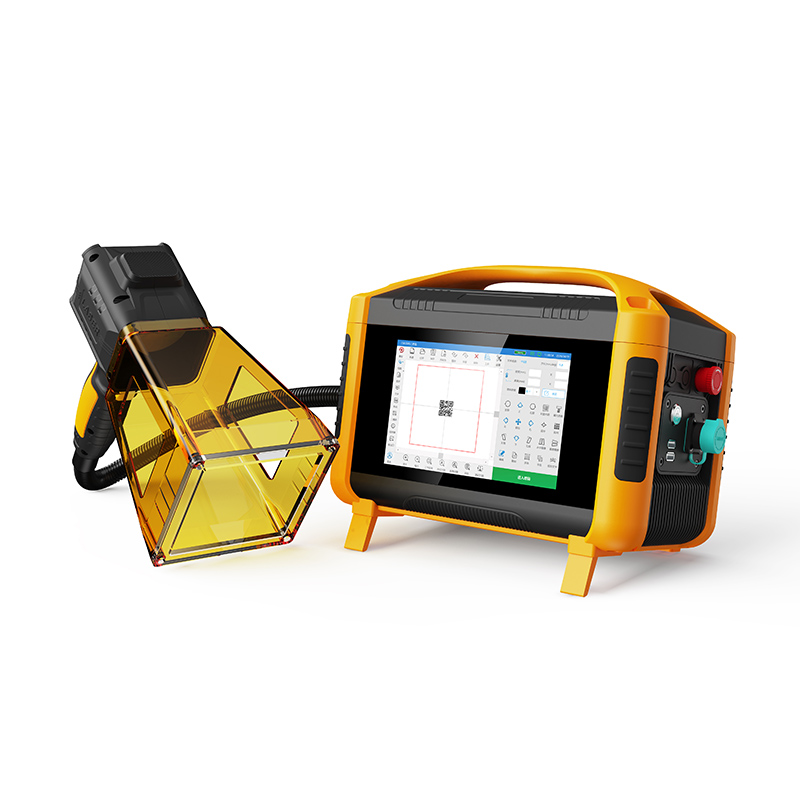
Understanding the Physics of Laser Interaction
Achieving a permanent and high quality mark on an industrial product involves far more than simply pointing a laser at a surface. It involves a sophisticated dance between light and matter that requires careful observation and control. CO2 lasers operate by generating high intensity light that is readily absorbed by various organic substrates, such as paper, wood, plastics, and diverse coated metallic surfaces. To get a sharp, lasting mark, operators must move well beyond basic factory presets. The secret lies in the harmonious synchronization of power, frequency, and movement speed. When these pillars are correctly aligned with the thermal sensitivity of the specific material being processed, the result is a clean, durable mark that stands up to the rigors of any global supply chain. Understanding the underlying physics allows production teams to anticipate how a substrate will react before the laser even fires, which is the cornerstone of professional marking.
Balancing the Core Technical Variables
The interplay of laser parameters dictates the overall quality of the final output. Peak power functions like a depth setting tool; it defines how deeply the laser beam ablates into the substrate. Simultaneously, marking speed regulates the duration of time the material remains exposed to that thermal energy. If the energy density is too intense—perhaps because the speed is dragging or the power is cranked too high—the material will suffer from scorching, bubbling, or messy melting. On the flip side, if the pulse repetition frequency is set incorrectly, the laser might struggle to connect pulses, resulting in a series of tiny, disjointed dots that look unprofessional and compromise readability. Professionals should always start with a conservative power setting and make small, incremental adjustments while closely monitoring the visual contrast and line definition of the output. Maintaining this balance ensures that every character or logo remains crisp without sacrificing the integrity of the base material.
Adapting to Material Diversity
Every material behaves differently under the heat of a laser. A common mistake in busy factory environments is treating all substrates with the same settings. Plastic, for example, absorbs heat in a completely different way compared to wood or specialized ceramics. Successful laser marking requires a deep dive into the thermal conductivity and the specific heat dissipation rate of the substrate. By tailoring the pulse frequency to match the way a specific material sheds or retains heat, operators can eliminate those unsightly peripheral burn marks that often ruin the appearance of a clean logo or serial number. Achieving this level of precision ensures that every mark not only meets international traceability standards but also reflects the high quality of the product itself. Taking the time to characterize how a new material responds to thermal energy prevents errors and boosts the overall aesthetic appeal of the final product.
Driving Efficiency and Operational Stability
Getting these parameters right does far more than make a product look good. It is a vital strategy for boosting overall factory efficiency. When settings are slightly off, production lines often suffer from hidden issues like increased consumable wear, inconsistent print quality, or even intermittent machine failures. By fine tuning the parameters to account for variables like fluctuating conveyor speeds or slight variations in material batches, production teams can dramatically reduce cycle times and minimize the need for rework. When the marking process is perfectly optimized, it stops being a potential bottleneck and instead becomes a seamless part of the workflow, ensuring that thousands of units per hour are coded without interruption. Smooth operation leads to better throughput and a more profitable production cycle, which is what matters most in high speed industrial environments. Every second saved on a production line contributes significantly to larger profit margins over the long run, proving that technical precision is the key driver of industrial productivity.
Leveraging Advanced Industrial Support
The path to industrial excellence often requires a partner who understands the technical challenges of modern manufacturing. Inkminic specializes in providing robust, high performance marking solutions that empower manufacturers to take full control of production lines. With a deep commitment to engineering precision, Inkminic offers the hardware and the application guidance necessary to solve complex coding challenges, whether dealing with standard labeling or demanding, unconventional substrates. By choosing to work with a dedicated source manufacturer, businesses gain access to comprehensive supply chain services and the technical expertise required to keep production lines running at peak performance. Inkminic stands ready to help scale operations with reliable, high speed technology that transforms how products are identified and tracked across the global market. Manufacturers can rely on such support to navigate the intricacies of laser marking, ensuring that every batch meets the highest standards of quality and consistency. Continuous support and high quality equipment are the foundations upon which long term success is built, allowing companies to focus on growth while the marking process remains accurate, efficient, and professional. Such reliability is crucial when building a brand that demands total customer trust and excellence.
 EN
EN